
Spring/Summer Fabrics: Guide to Dressing for Warmer Weather
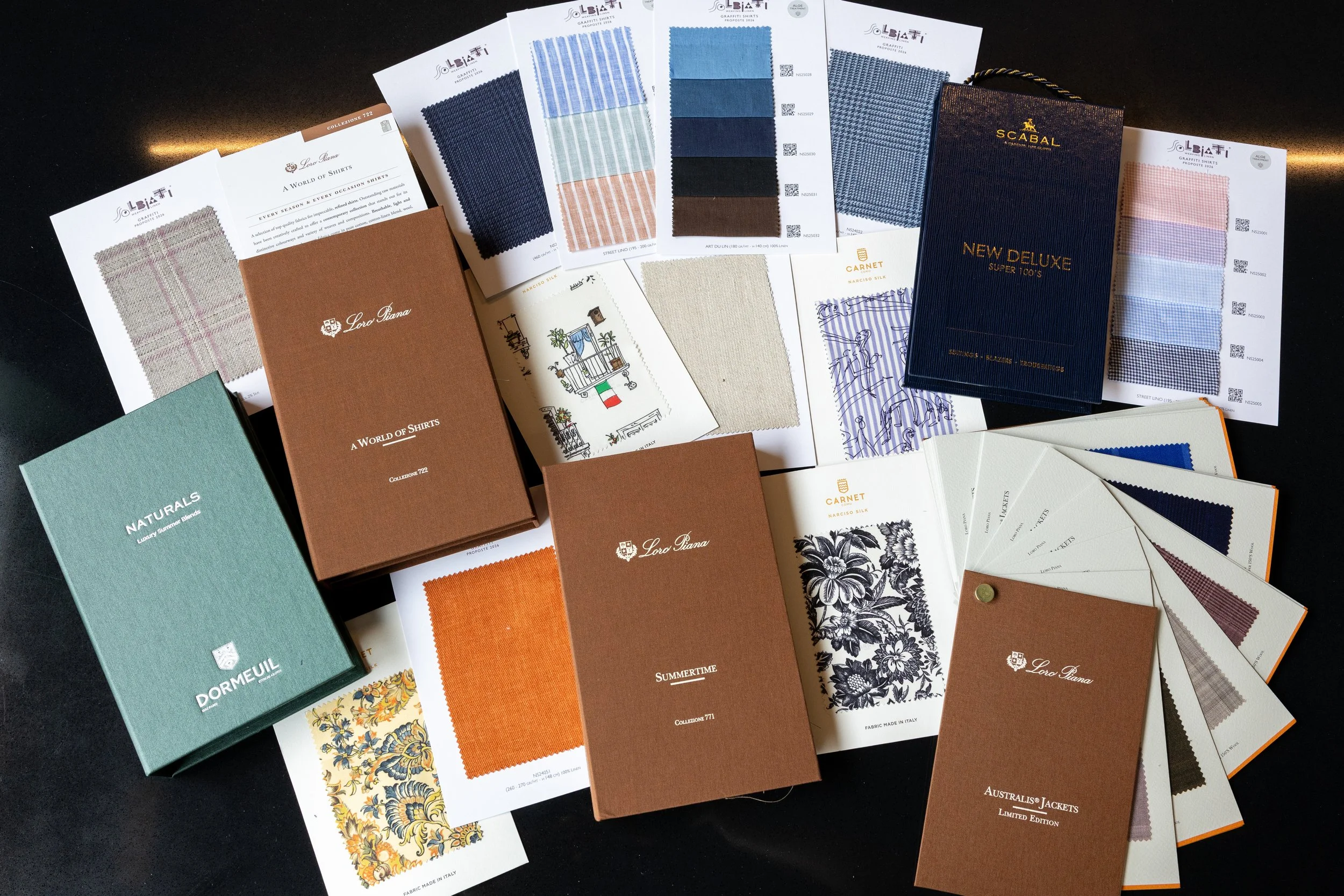
As temperatures rise, the focus of tailoring shifts toward fabrics that offer breathability, comfort, and ease without compromising on structure or presentation. From crisp high-twist wools to relaxed linens, each fabric brings a different approach to summer dressing.
High Twist Wool, Tropical Wool & Hopsack
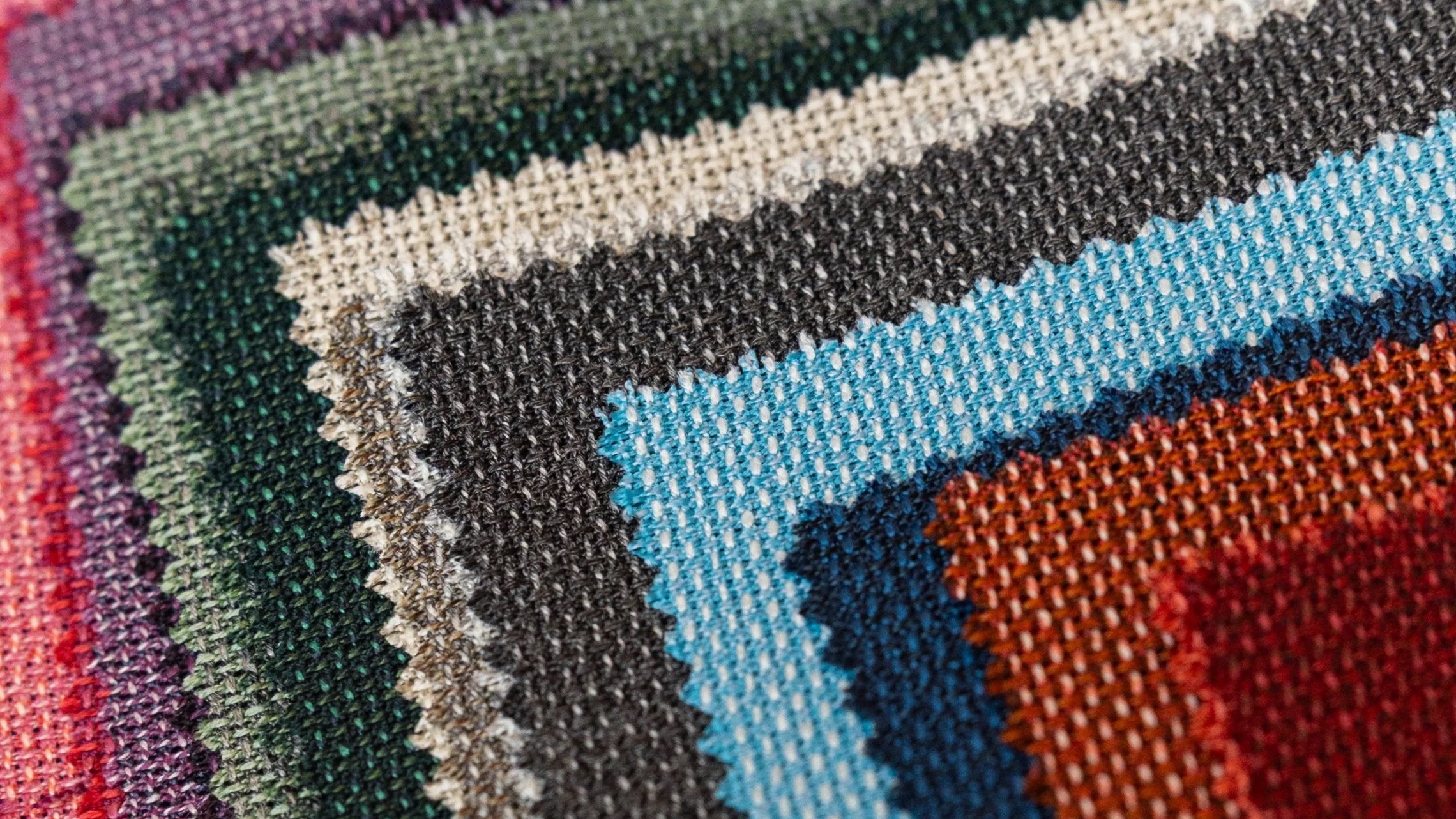
High twist fabrics are defined by how the yarn is spun. The fibres are twisted more tightly than usual, creating a cloth with a firm, crisp, and dry hand.
The result is a fabric that is naturally breathable, wrinkle-resistant, and holds its shape exceptionally well making it ideal for warm weather and travel.
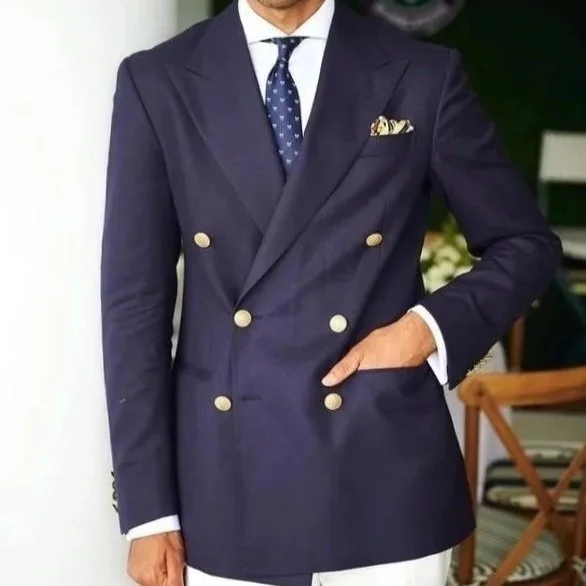
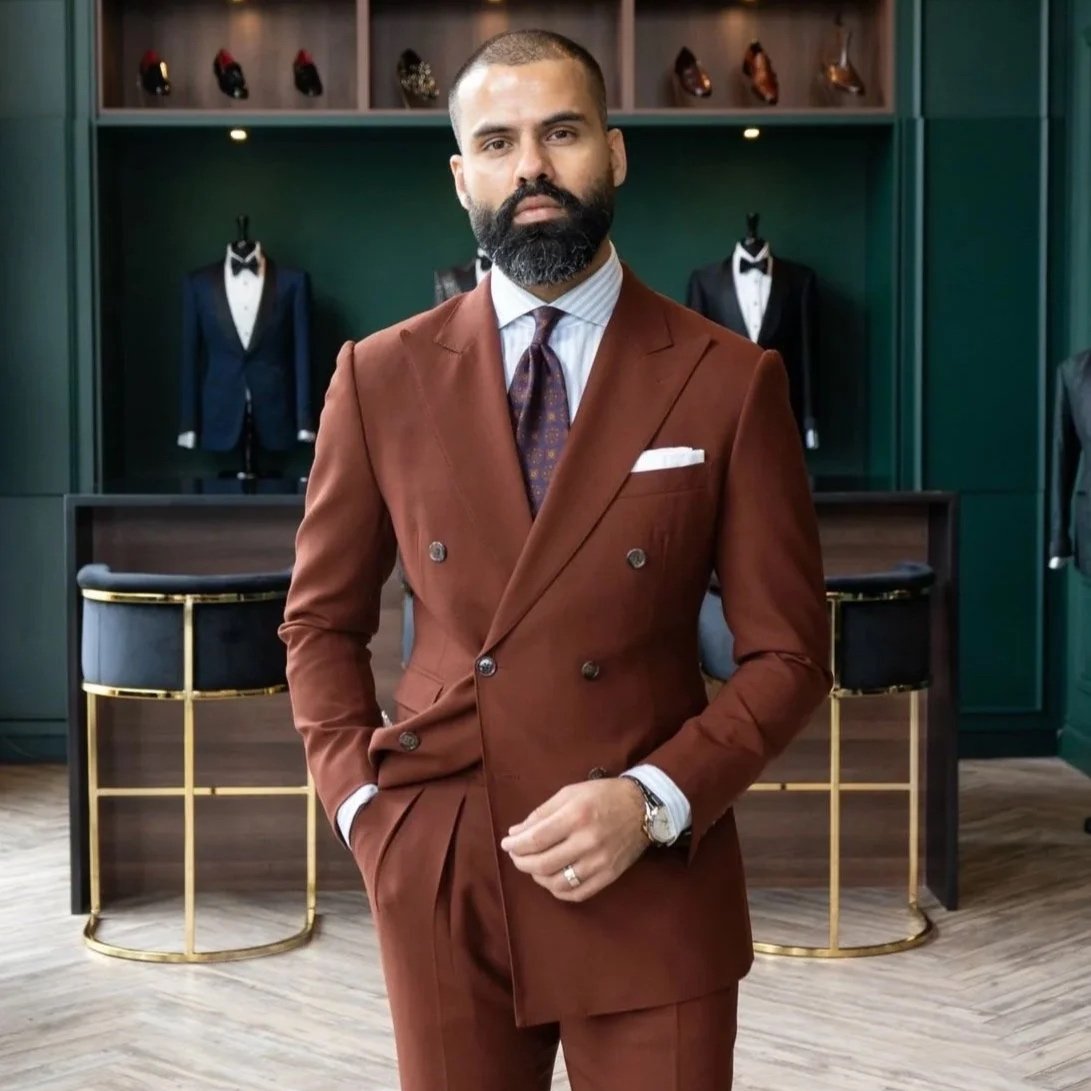
These fabrics are the foundation of many summer tailoring staples. A classic example is the hopsack navy blazer open in weave, breathable, and endlessly versatile. At the same time, high twist fabrics can be expressed in more unique ways, such as a rust-coloured fresco suit, proving that sharp, structured tailoring can still thrive in warmer climates.
Linen
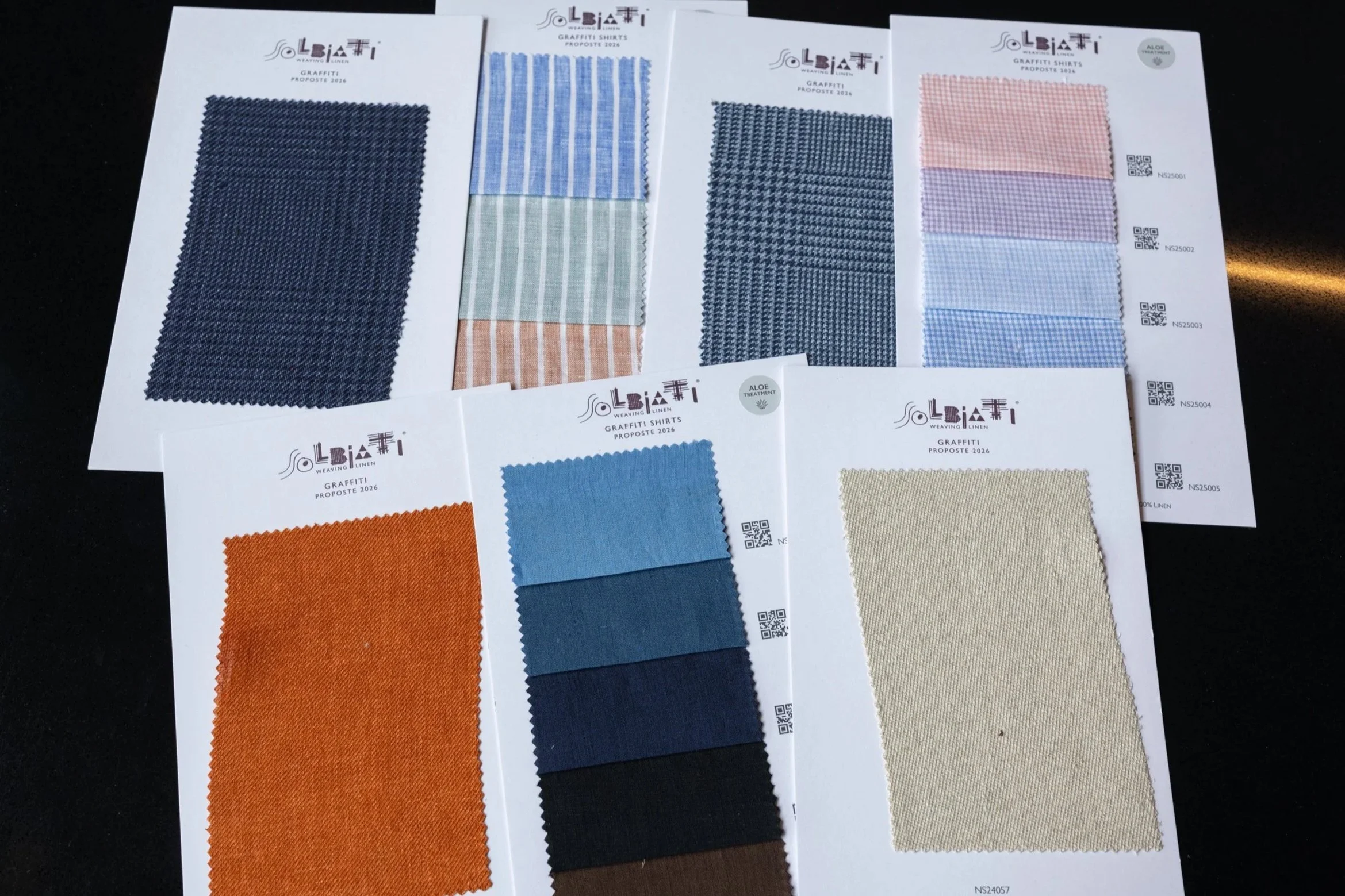
For a more relaxed approach to summer tailoring, linen remains a staple. It very much embodies the vibe of the European riviera and how relaxed tailoring can still look elevated.

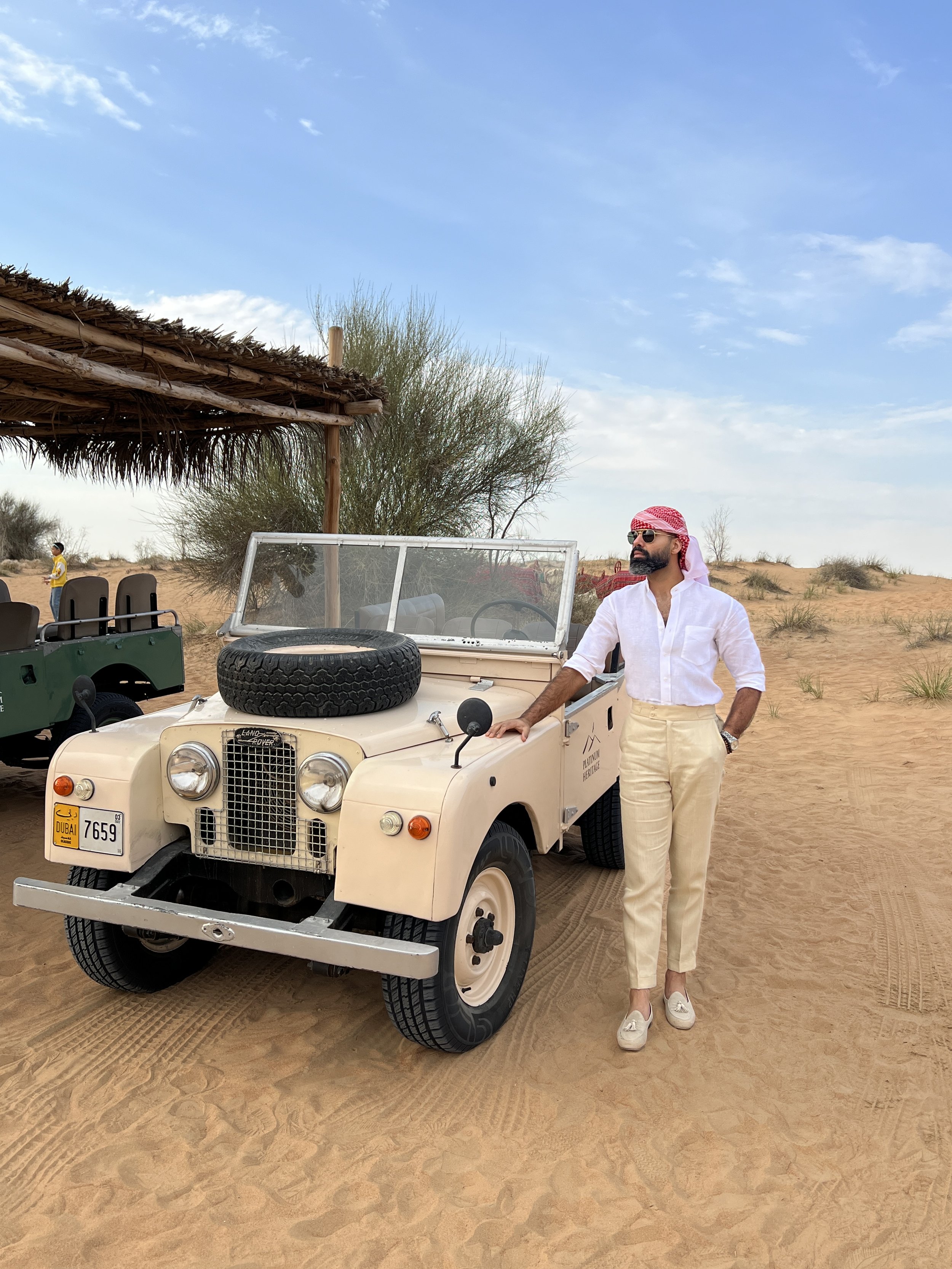
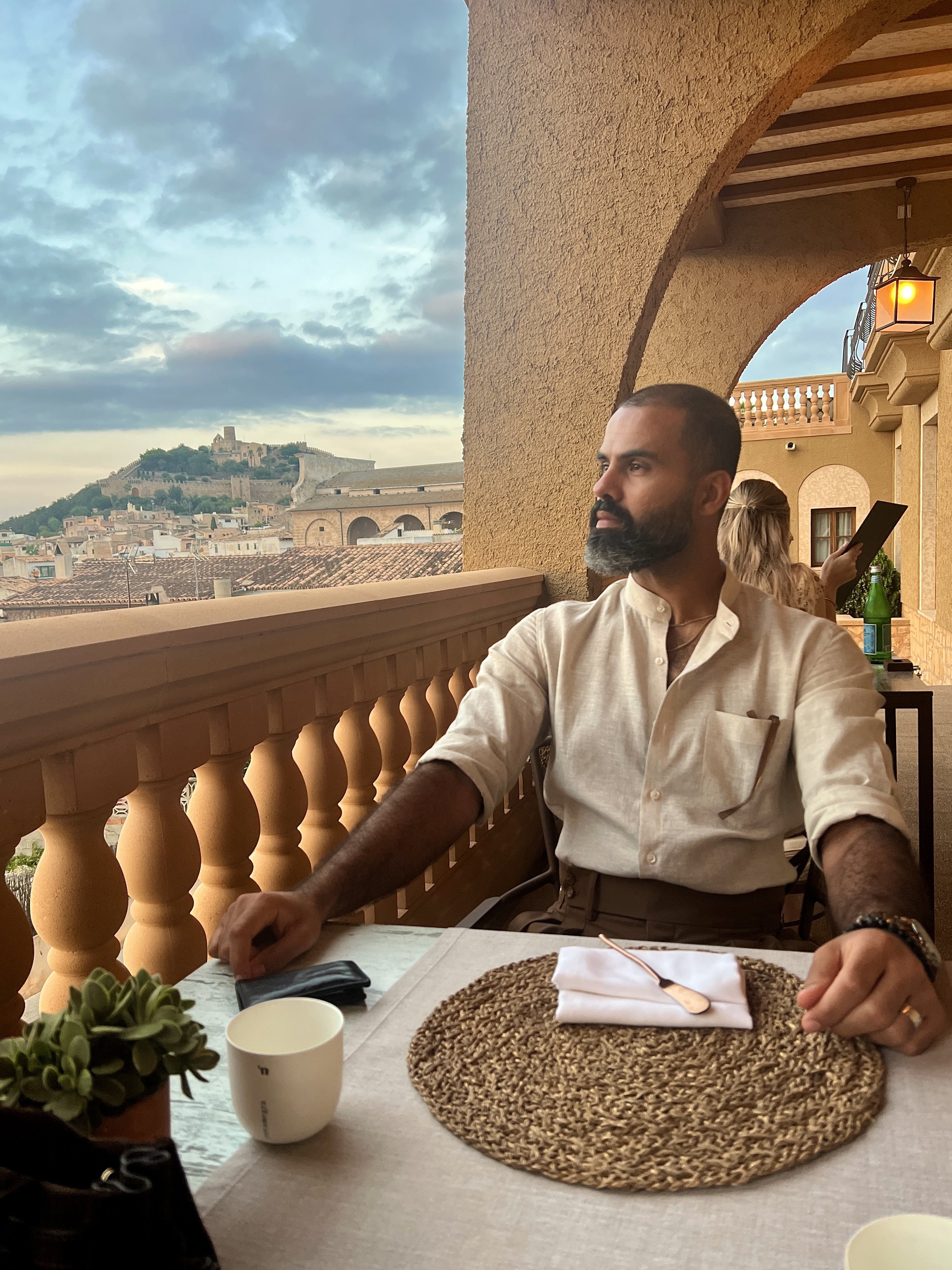
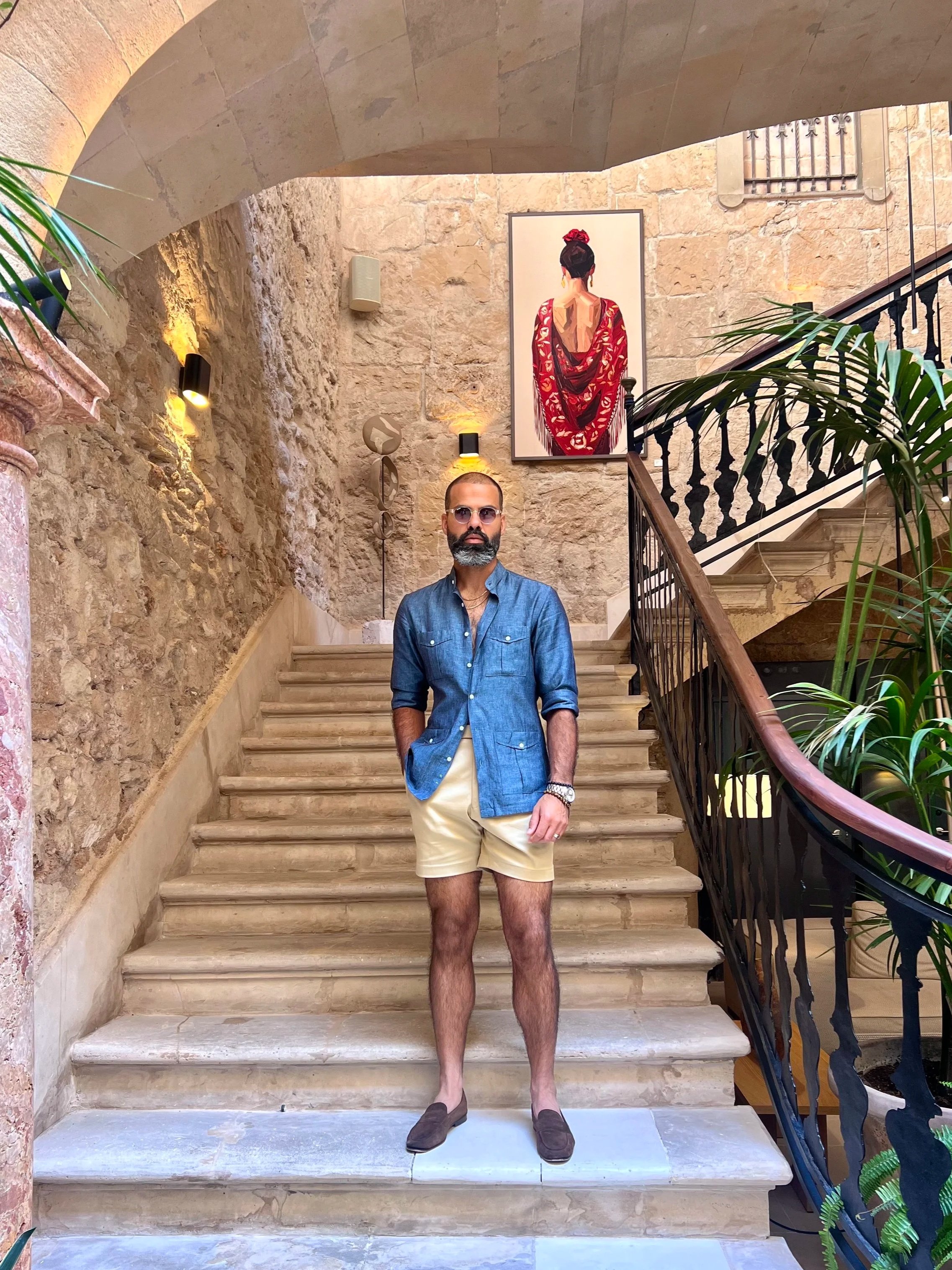
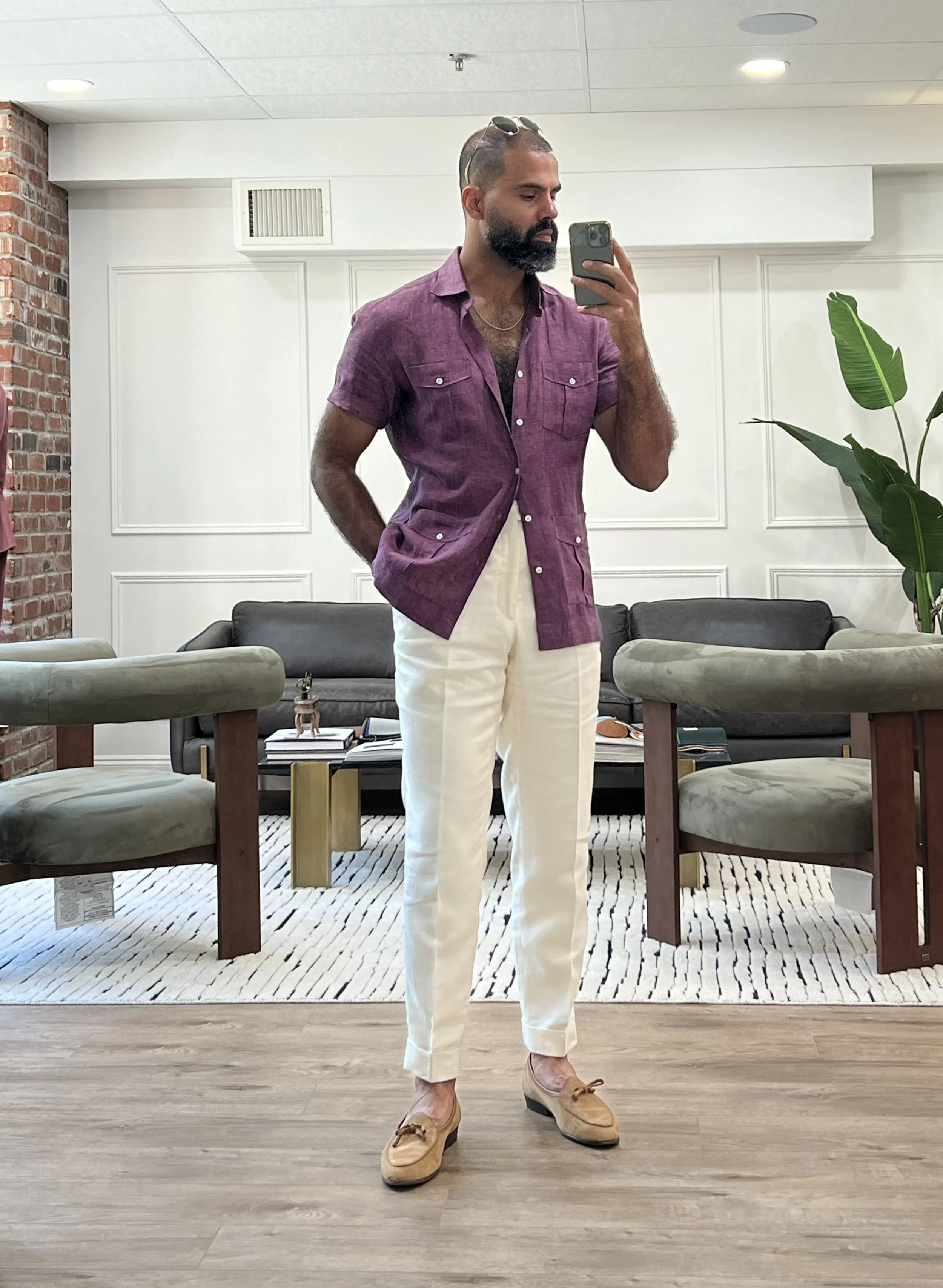
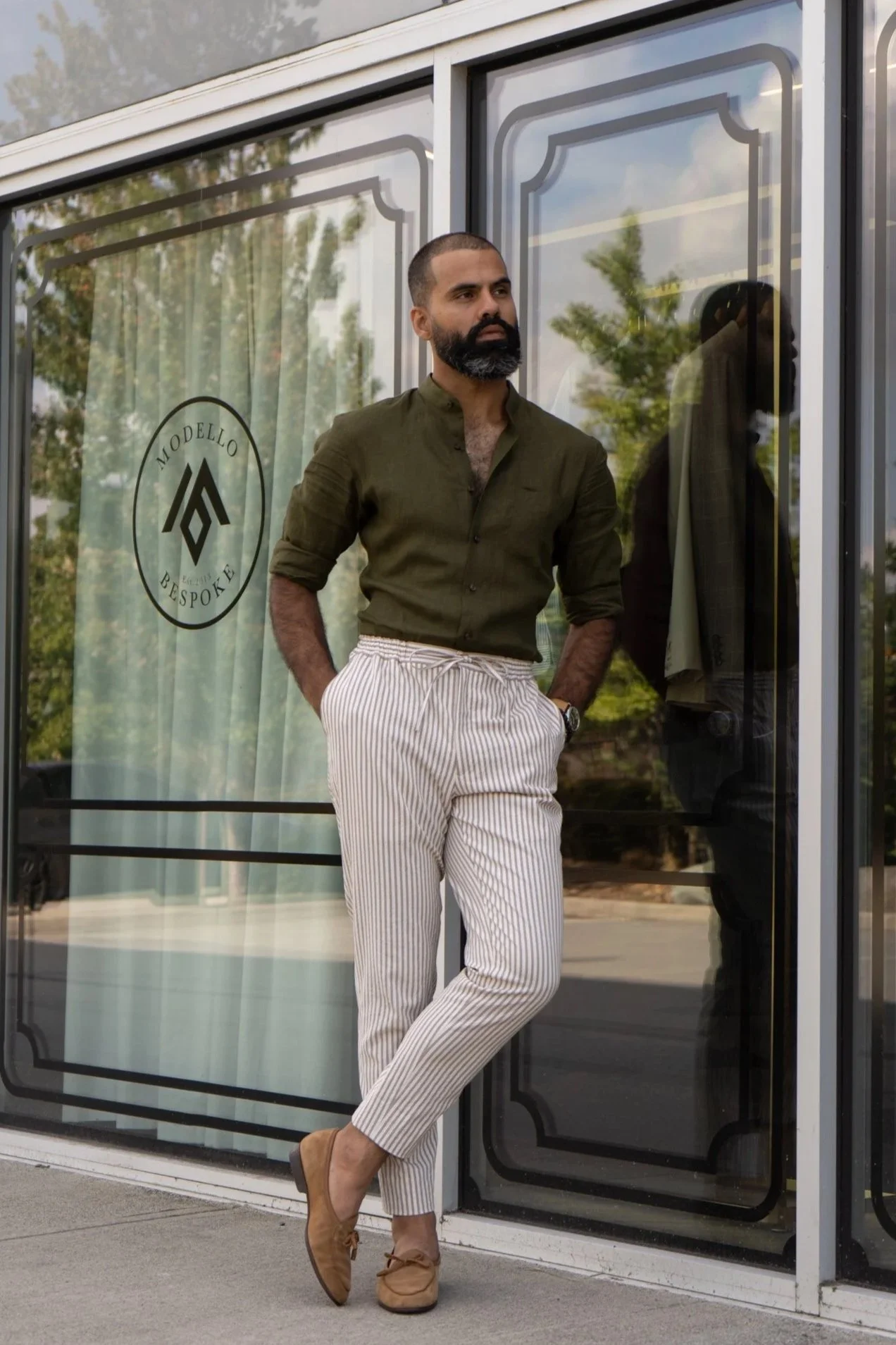
Made from the flax plant, linen is lightweight, breathable, and highly comfortable in the heat. What sets it apart is its natural texture. Linen wrinkles and that’s part of its appeal. It’s a fabric that embraces movement and imperfection, giving it a lived-in quality that still feels refined.
Linen is ideal for casual suits, summer events, and breathable shirting. Whether it’s a beach wedding, a honeymoon in Southern Europe, or time spent in tropical climates, linen offers a balance of comfort and understated style.
Cotton
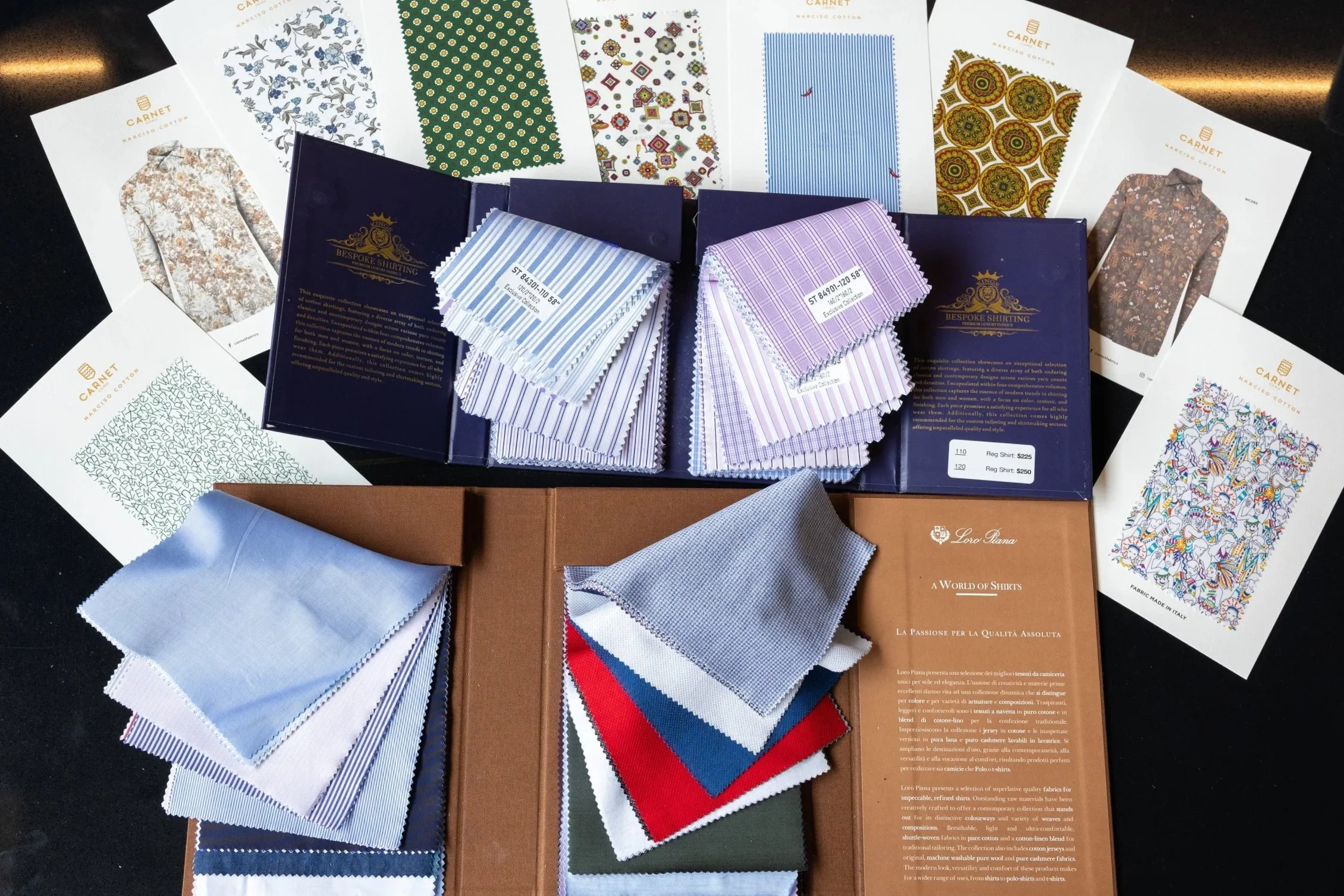
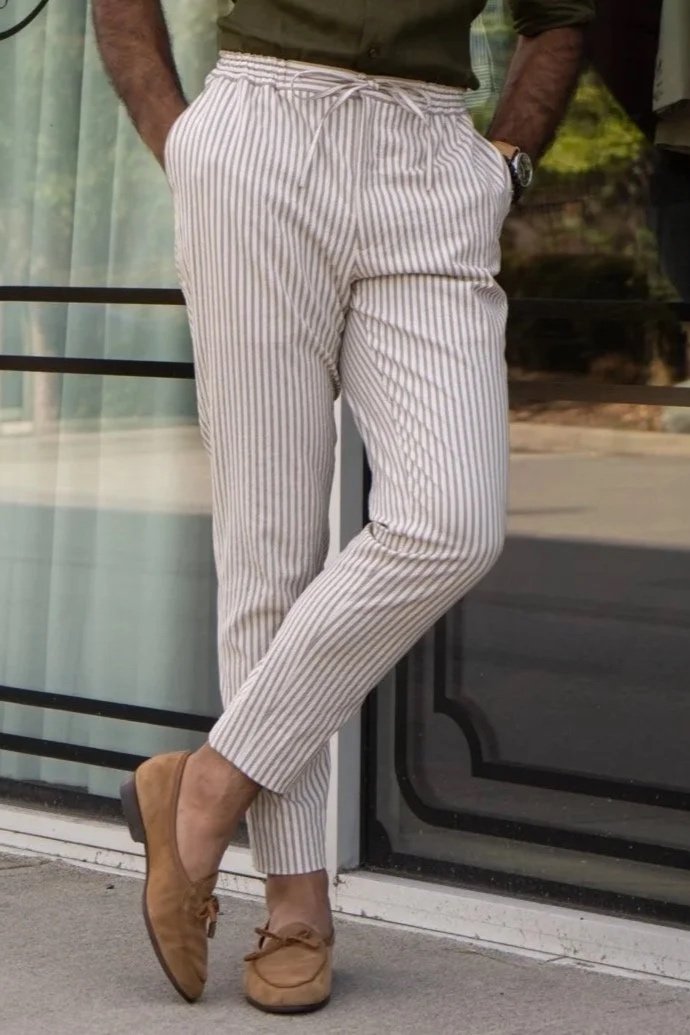
Often overlooked in tailoring, cotton is one of the most versatile warm-weather fabrics. While many associate cotton with casual wear, it plays an important role in both summer suiting and shirting.
For tailoring, seersucker is a standout. Its signature puckered texture creates natural airflow, making it significantly more breathable than flat cotton weaves. The classic blue and white seersucker suit has long been a summer icon, but modern interpretations such as teal or black variations offer a fresh perspective on this traditional fabric.
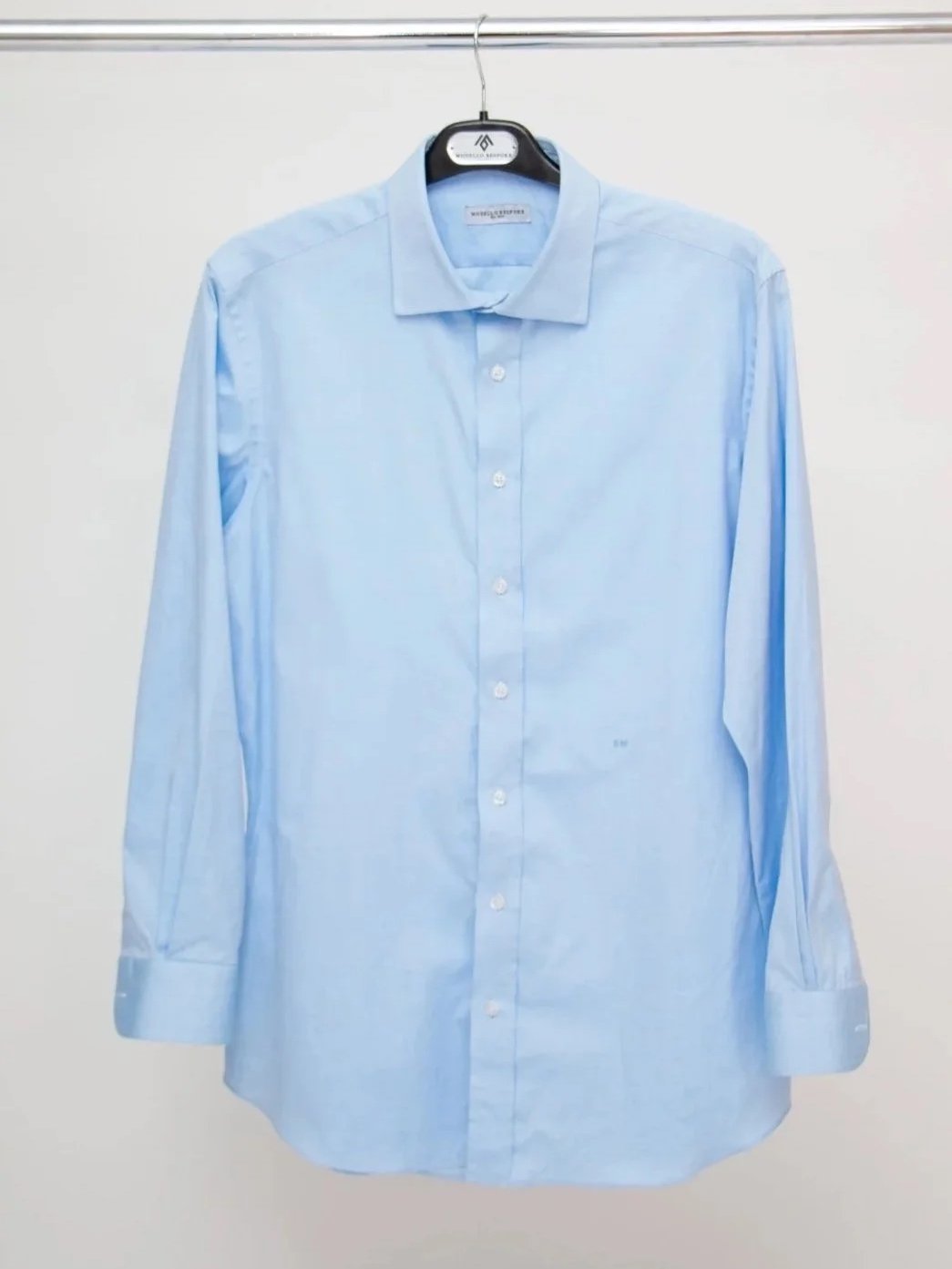
Cotton is also the foundation of most shirting. From refined two-ply dress shirts to more relaxed options like denim or safari shirts, high-quality cotton provides comfort and versatility throughout the season.
Silk
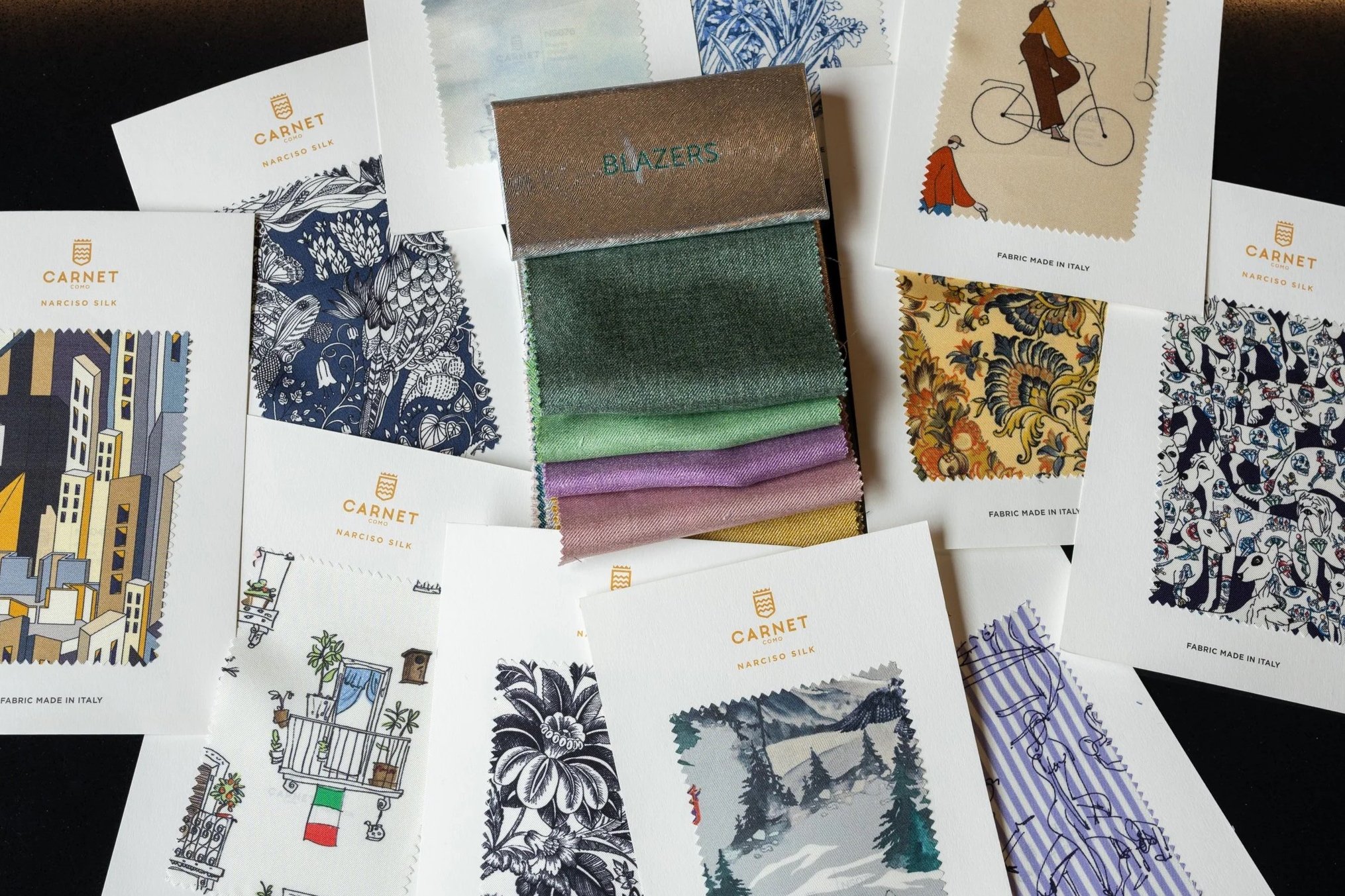
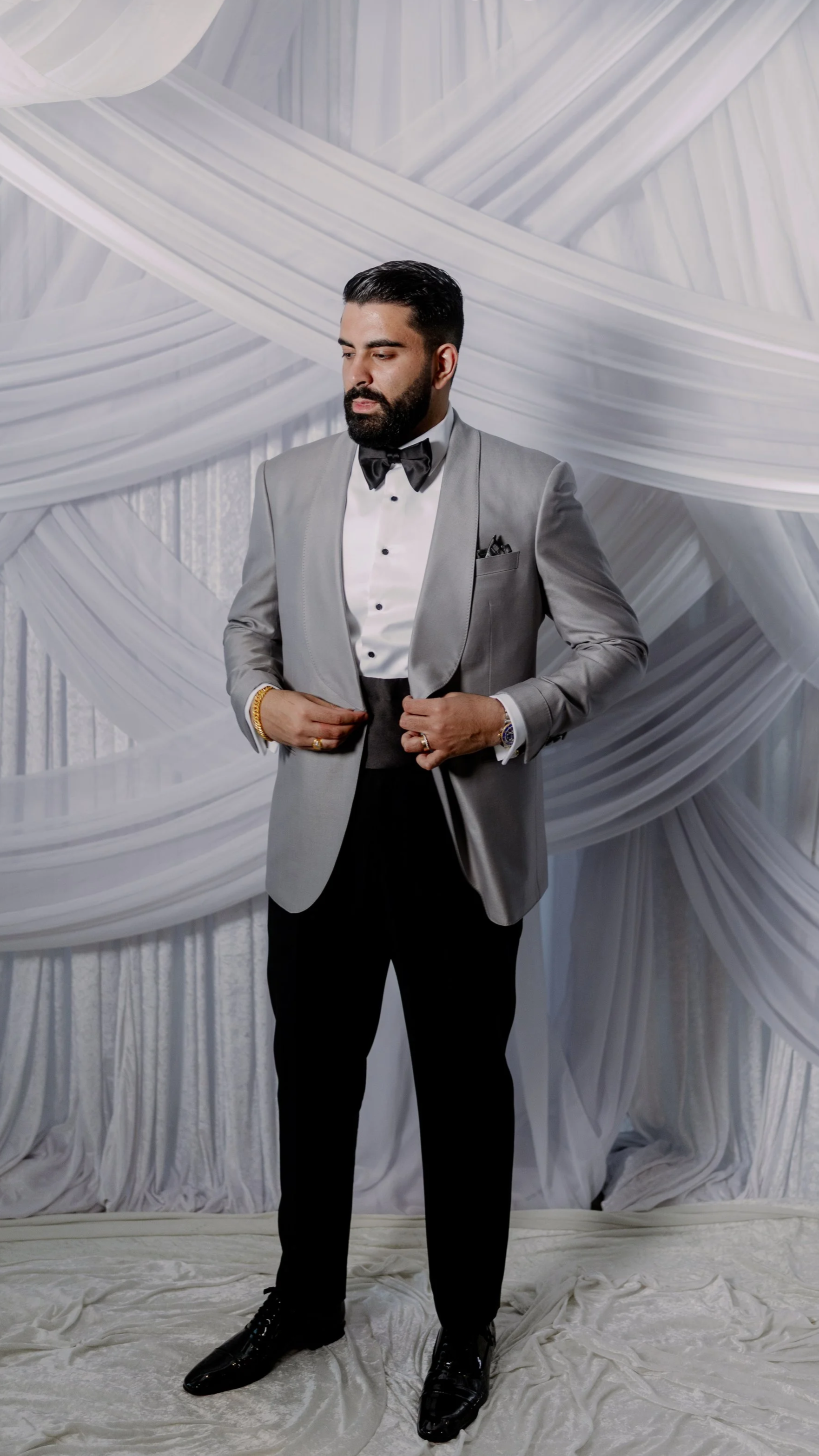
Silk represents the more luxurious end of summer fabrics. Exceptionally smooth and lightweight, it offers a unique combination of comfort and elegance.
In casual settings, silk shirts provide a refined yet relaxed option, ideal for warm evenings or destination wear. At the more formal end, silk can be used to create striking dinner jackets.
A 100% silk dinner jacket, whether in a soft silver tone or a more vibrant seasonal colour is a distinctive choice for summer black tie events. It allows for a look that feels both elevated and appropriate for the setting, without the heaviness of traditional formalwear.
Choosing the Right Fabric for the Season
Summer tailoring is not about sacrificing structure for comfort, it’s about choosing the right materials.
From the crisp performance of high-twist wool to the relaxed elegance of linen, the versatility of cotton, and the luxury of silk, each fabric offers a different way to approach dressing in warmer weather.
The key is understanding how and when to use them building a wardrobe that not only looks appropriate for the season, but feels right to wear.
