What Luxury Truly Means
Why we think a label is the wrong measure of value.
What makes clothing luxurious? Some would say a world-renowned label. Others, an artful, bold piece. Many would boil it down to one thing: the price tag.
There is a real market for designer clothing, and we understand the appeal. But we'd ask one plain question: does an expensive label mean a better garment? More than ever, we think the answer is no.
Luxury is a service
Think about luxury anywhere else: a restaurant, a hotel, a car. The price is only one part of it.
Picture a great restaurant, perhaps one in the Michelin Guide. Nobody pays $300 a head for the food alone. The maître d' makes you feel taken care of, the sommelier suggests the right pairing, and the dining room is impeccable. They do all this because they want you to come back and bring people you love.
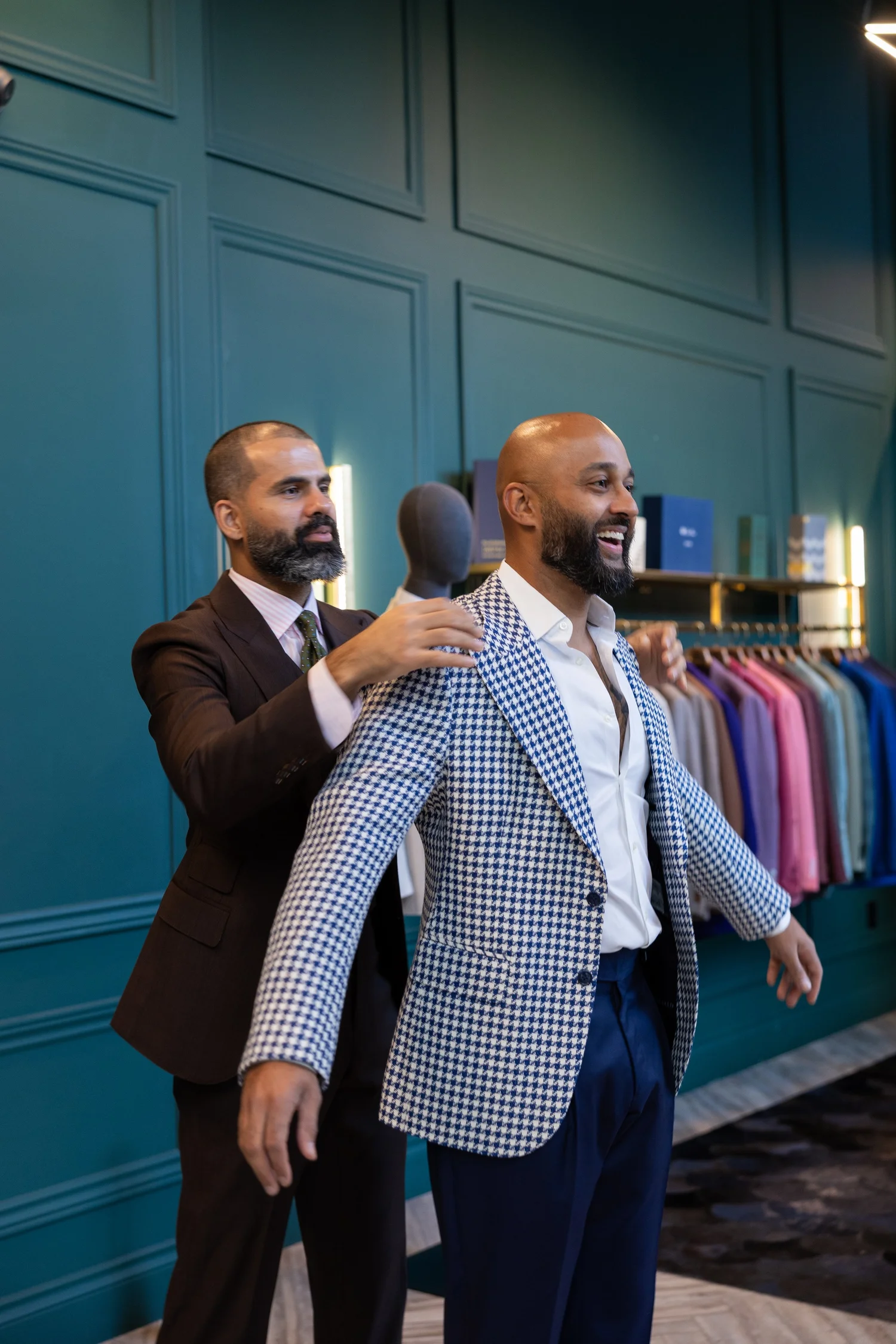
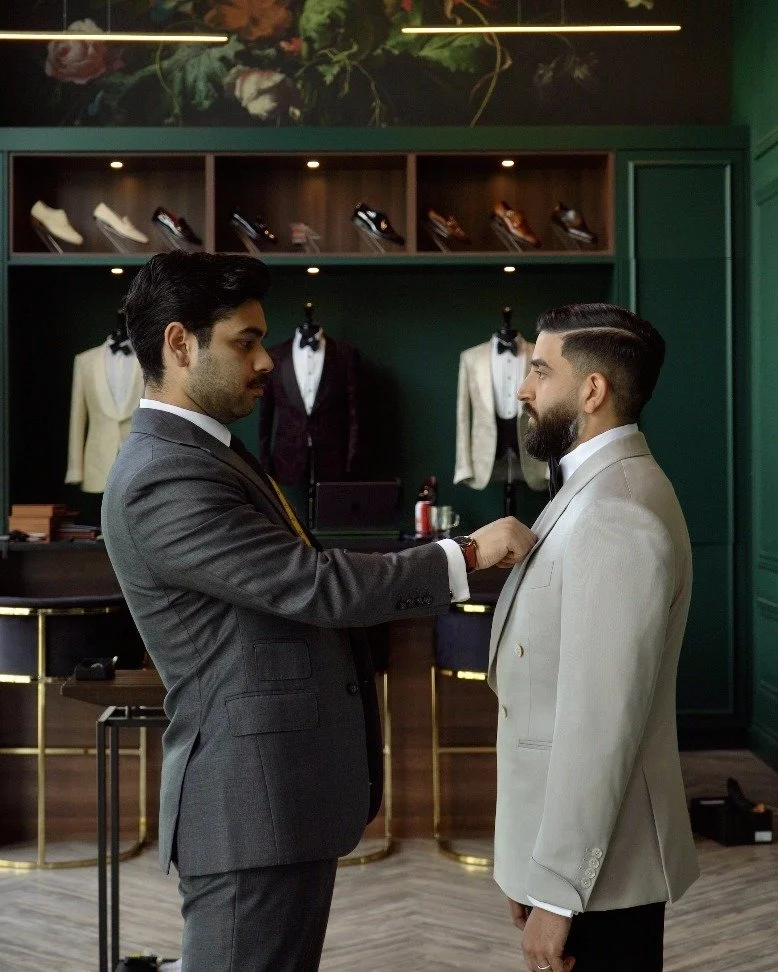
Clothing should be no different. At Modello Bespoke, that experience becomes a relationship. You and your consultant get to know each other over time, and the clothes are built around how you actually live, whether that's commuting in the rain, dressing for work, making an impression at events, or all of the above.
A consultant who works for you
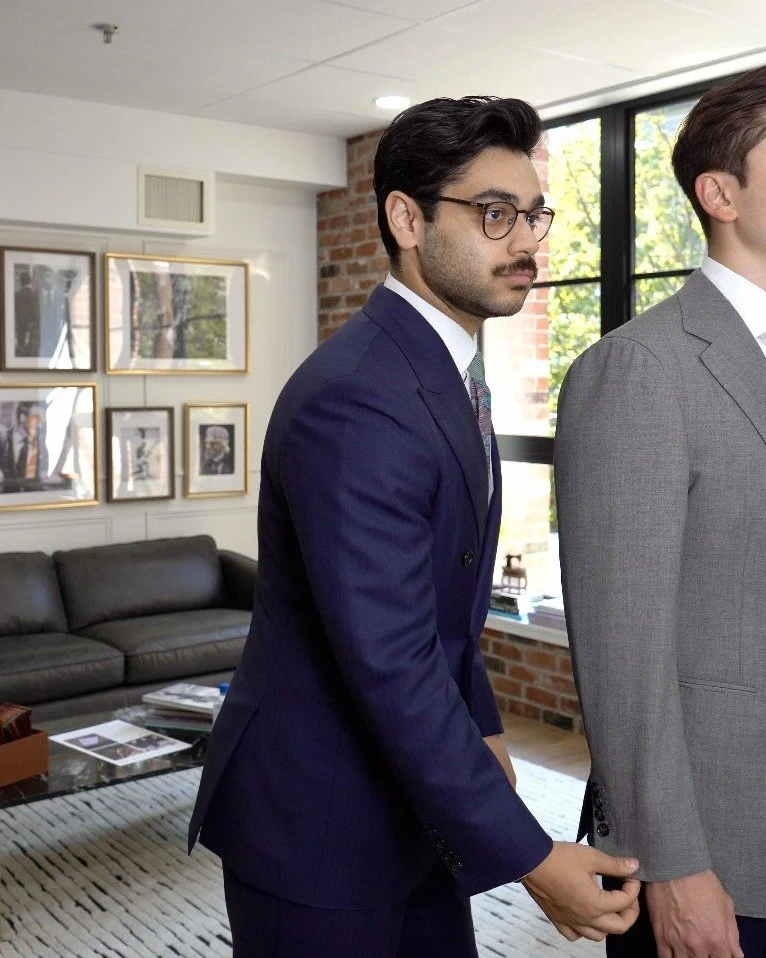
A brand needs to sell the piece in front of you. A salesperson may earn commission on the sale, push the season's trend, or need to move inventory. A consultant who wants you as a client for years gives you different advice.
I've talked clients out of pieces before. Sometimes it was a passing trend, sometimes the piece wasn't flattering, and sometimes the product simply wasn't good enough. People appreciate that honesty, and it's why they trust what I recommend next.
The relationship compounds
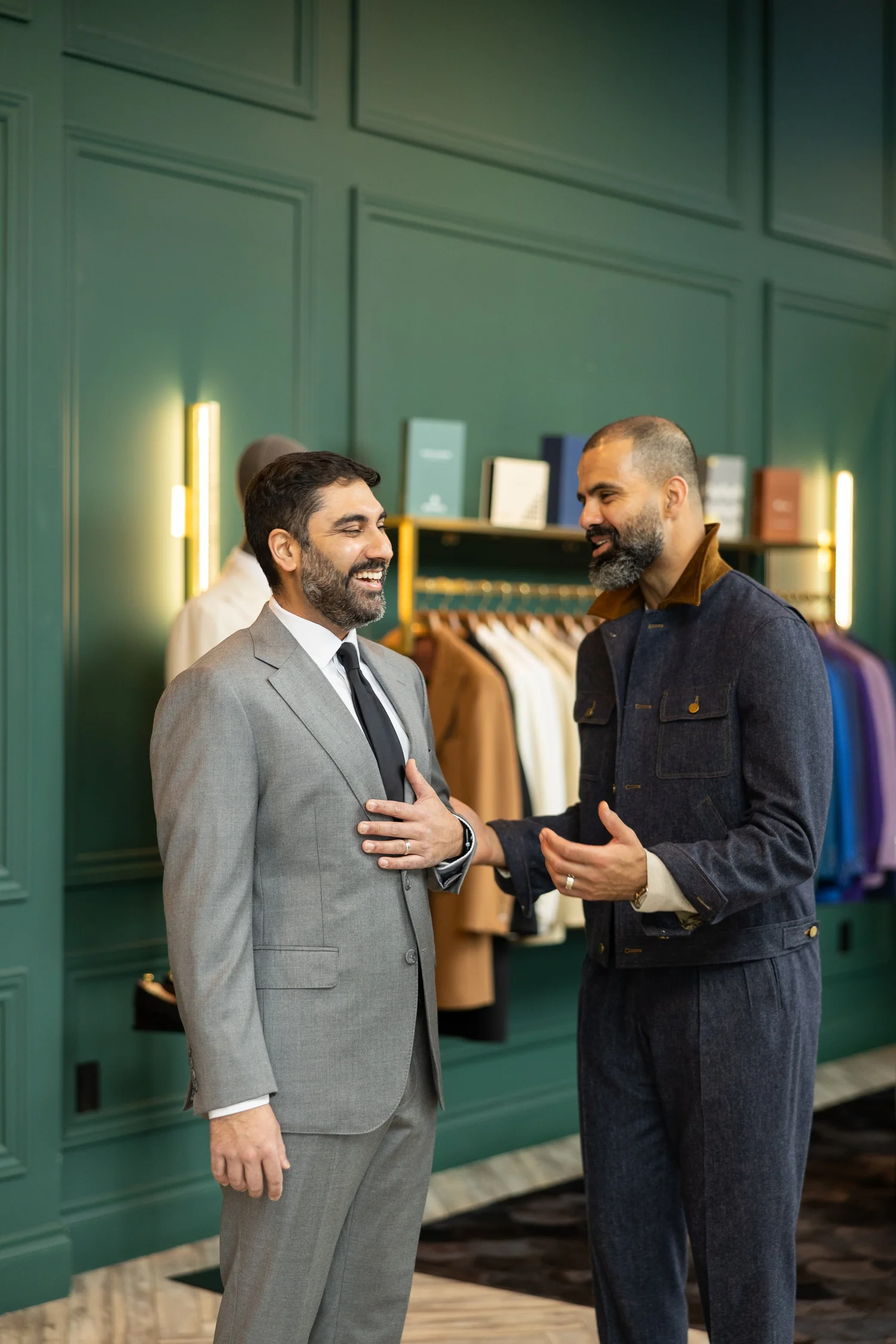
We keep a record of your orders and how your measurements and fit change, so every order builds on the last. The second suit is better than the first because we know more about you.
You learn along the way too. Clients who have been with us for years know cloth weights, how a fabric drapes, what good fit feels like, and how to care for a garment.
Someone might come to me first because they're getting married. Over time, they see me for their business suits, or for a new wardrobe during a career change. Eventually, long-time clients hand a lot of their dressing over to us. That trust, the feeling of "they'll take care of me," is what we value most.
The second suit is better than the first because we know more about you.
Where the money goes
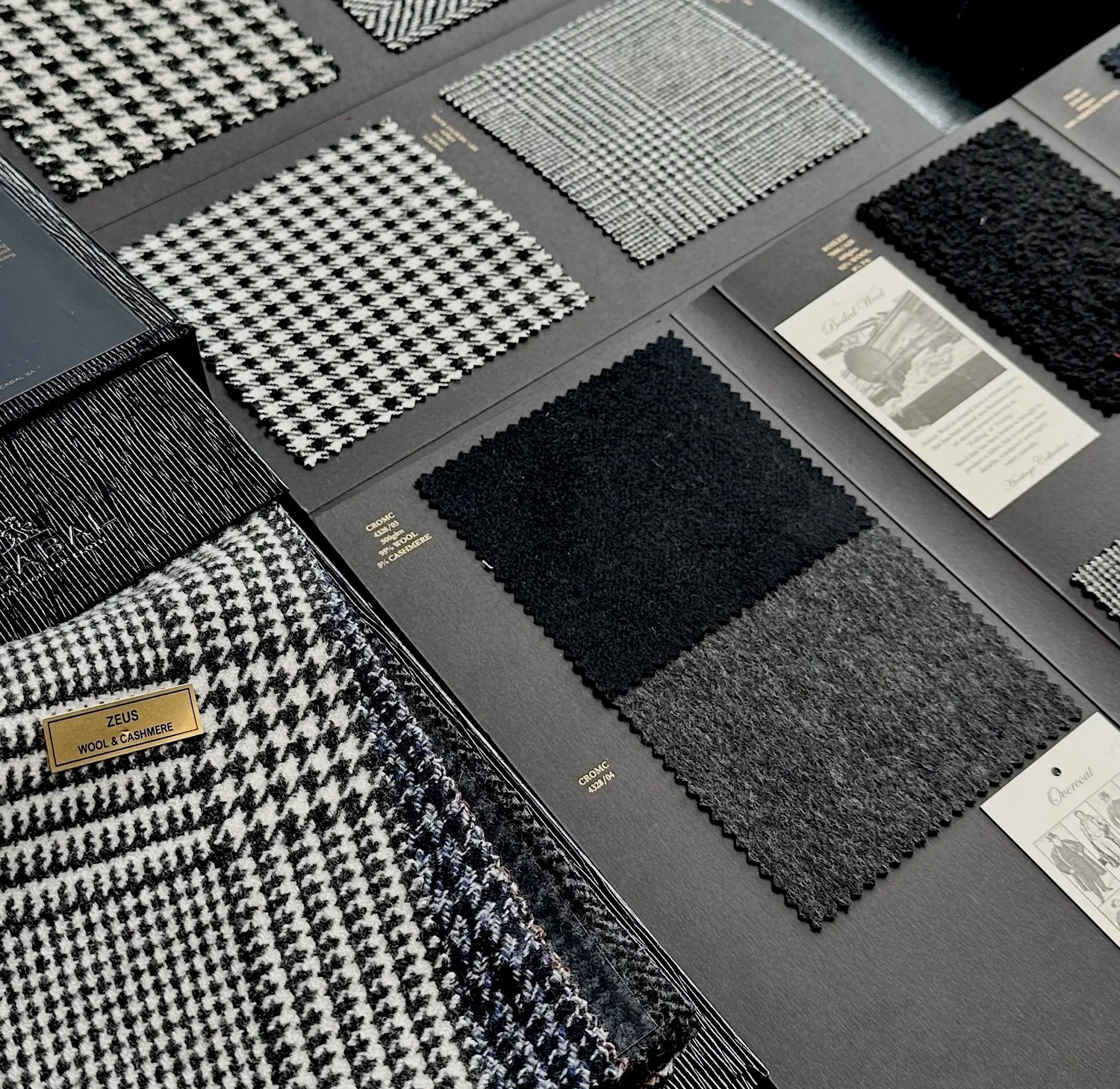
Value is hard to judge until you know what to look for, and explaining it is part of the service.
Every piece comes down to three decisions. Fit comes from a pattern drafted from scratch for one person. Cloth is chosen with our guidance, from light summer blends to heavier winter weights, from the same Italian and British mills that supply designer houses. The difference is that your cloth is chosen for you, not for a collection. Design is yours, from lapels and pockets to lining and buttons.
With many designer pieces, a large share of the price pays for the name, the campaign and the storefront. With a bespoke piece, that money goes into cloth, construction, fit and time.
A long-time client once came to see me to replace a designer coat he'd owned for years. He'd been back to the store, and the same model no longer hit the mark. The cloth felt lighter and flimsier, the make had slipped, and it had lost the feel of the heritage piece it once was. It also cost almost one and a half times what he'd paid.
What's inside
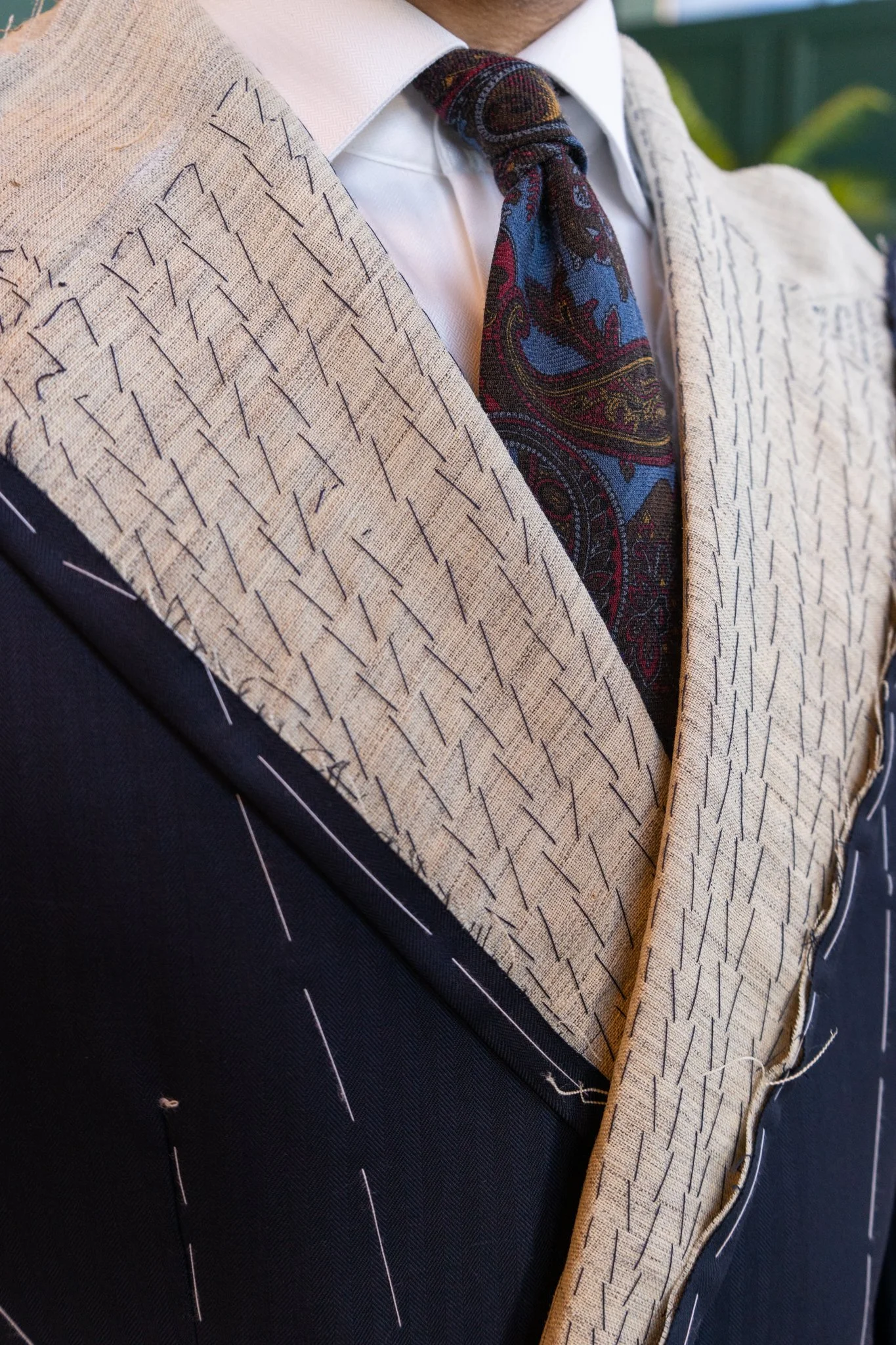
A car can look good on the outside, but what's inside counts. A jacket works the same way.
Under the cloth, a good jacket has a canvas: a layer of natural fibres (horsehair, wool, cotton, linen) that gives the chest its shape and moulds to your body over time. Many off-the-rack jackets, and plenty of entry-level made-to-measure, are fully fused instead, the front held together with heat-activated glue. After a few dry cleanings, a fully fused front can bubble or separate.
Every jacket we make has a canvas. Half canvas runs through the chest, where shape matters most. Full canvas floats through the whole front and is canvassed by hand, and it's the one we recommend.
Every pattern is drafted and cut by hand for one person, and every piece is made by our own small team of tailors in Hong Kong, who work only on our orders, never in a factory.
Built for how you live
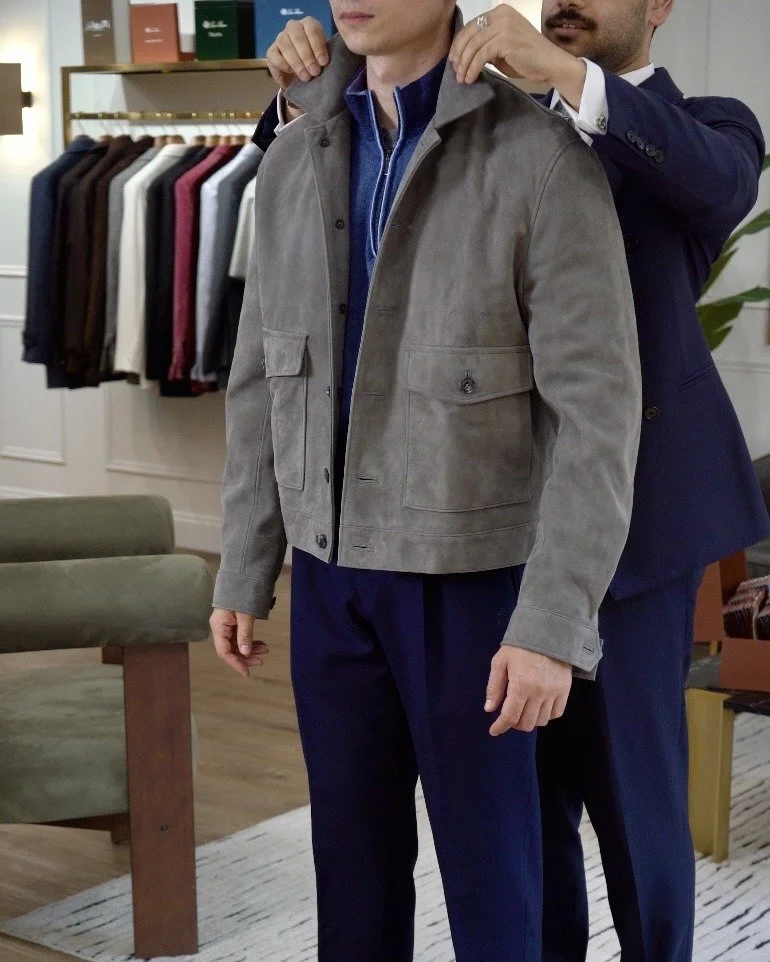
Ready-to-wear is cut to standard sizes, then altered to approximate you. It's built for everyone and no one in particular.
Very few of us are symmetrical. We play sports, travel, get injured, drive, and our posture changes as we age. A bespoke pattern is drafted around your posture, your shoulders and the way you stand, and the difference shows when you sit, reach and walk.
Because the pattern is yours, a bespoke piece can be let out, taken in, relined and re-pressed as your life changes. The upfront cost is higher, but the cost per wear over a few years is often lower.
The story you wear
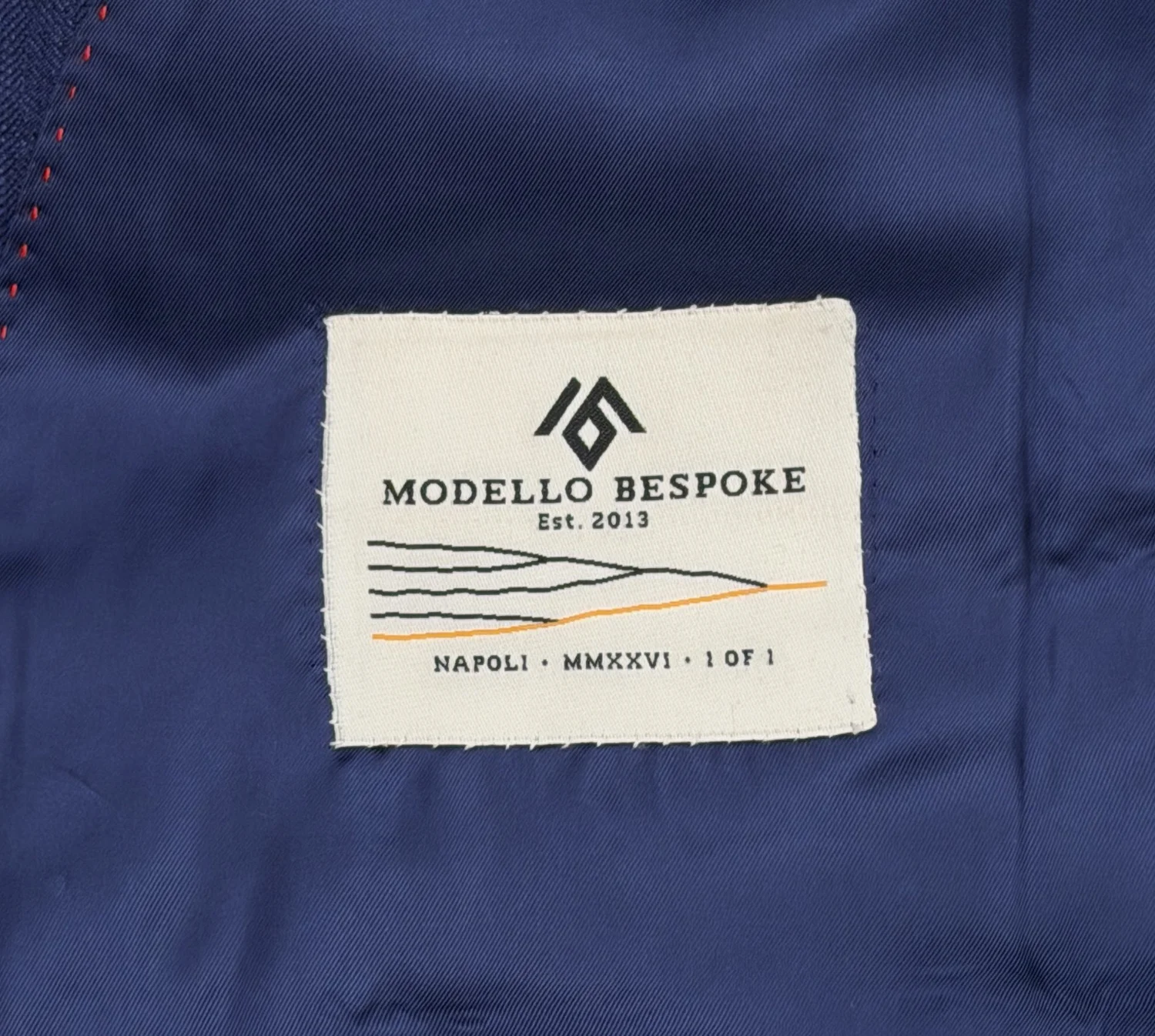
People remember the story behind what they wear: the cloth they chose, the occasion it was made for. Our jacket for the Trofeo Arbiter in Naples carried a label inside with the five rivers of Punjab, a detail only the wearer knows about. A label on the outside may tell people what you paid, but a story on the inside starts a real conversation.
What we'd ask
Before your next purchase, look closely at the garment. Feel the cloth, check the fit, and ask whether it suits the life you lead. Then ask whether the price is paying for those things or for the name.
Luxury is a well-made product, made with care by people who take the time to know you.
Written bySougata Mitra, Suiting Consultant. Modello Bespoke, Surrey and Vancouver.