
Your First Overcoat
Where to start if you've never owned a proper coat.
Last week an older gentleman stopped me on the street and said, "You're dressed so well. You must not be from Vancouver."
I've lived here since 2005, so I had to laugh. I wasn't even in a suit that day. Just a brown coat, flannel trousers and a zip vest in the same cloth.
But I knew what he meant. Every November I notice the same thing. A lot of women here wear great wool coats. Most men are in puffer jackets, even over a suit. And the men who do wear a wool coat usually buy one off the rack, so it's big in the body and tight in the arms.
I get it. Most guys have never owned a proper coat and don't know where to start. The easiest way in is to start with how you actually dress, so that's how I've split this up. If you'd rather see every coat style first, here's our guide to overcoat styles.
If you'd rather see every coat style first, here's our guide to overcoat styles.
If you wear a suit most days
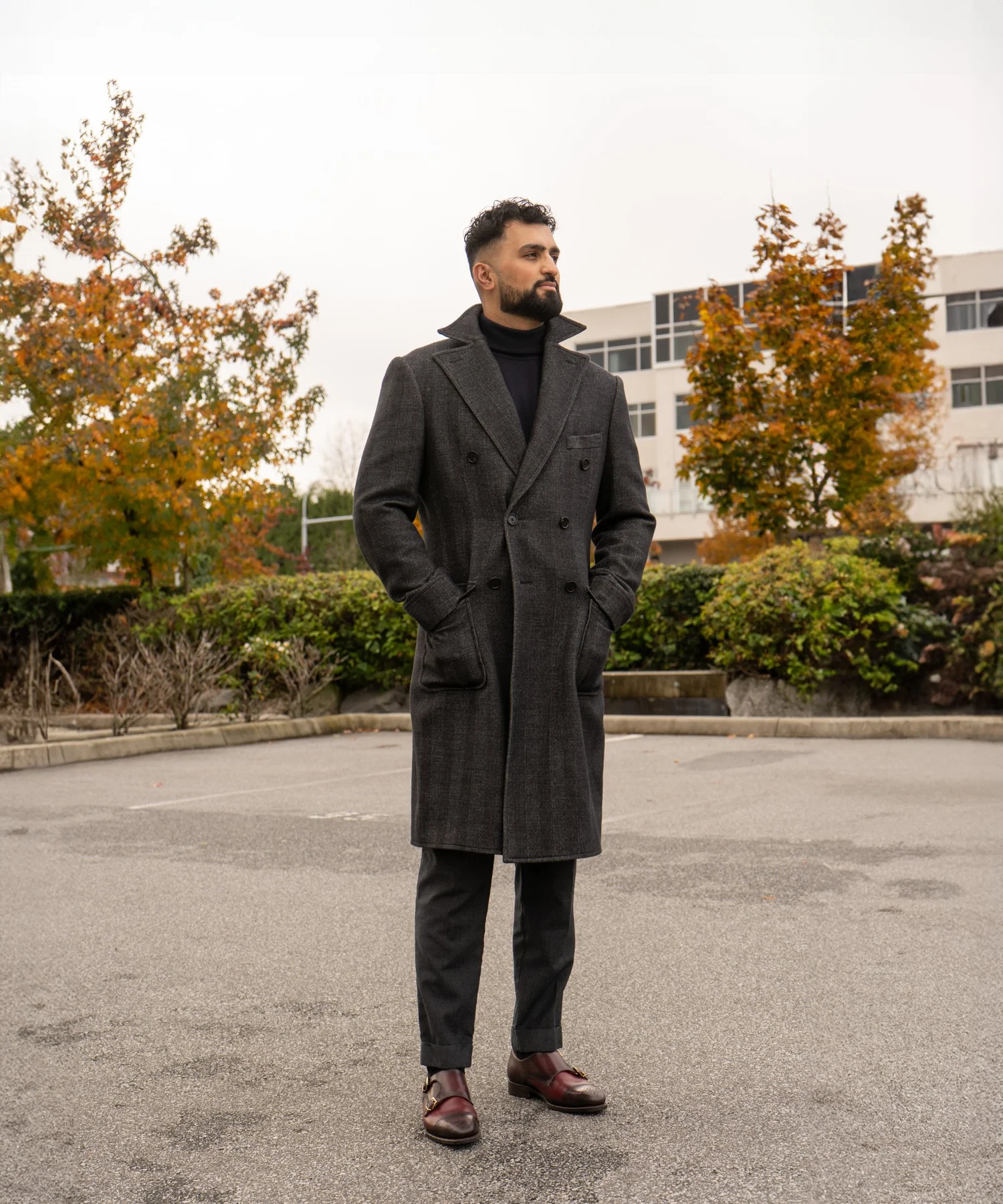
For most men who dress up for work, I'd make the first coat a dark grey polo coat, in wool and cashmere.
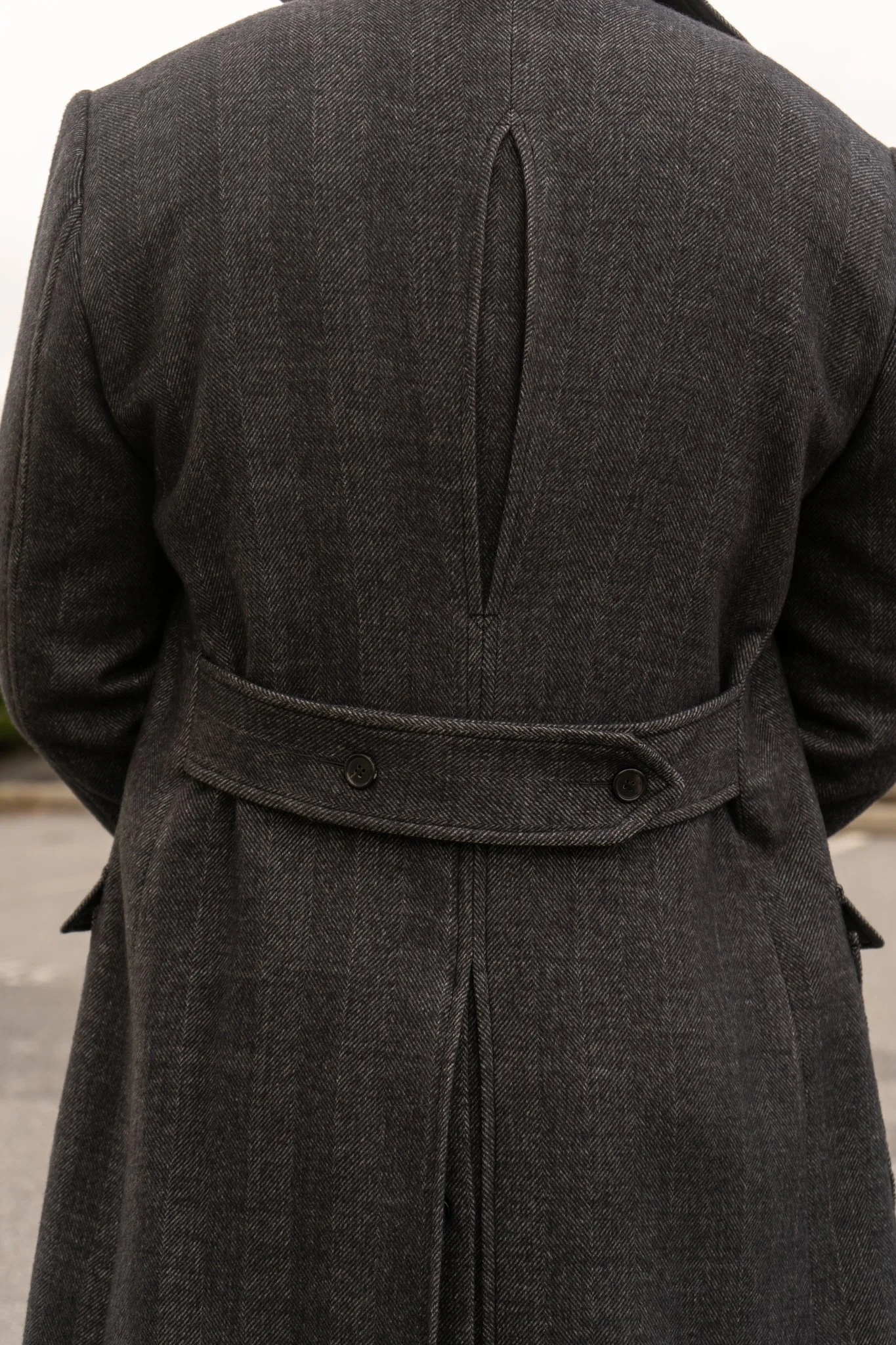
A polo coat is the classic double-breasted overcoat: six buttons, patch pockets big enough for your hands and phone, and a half belt across the back. The original was made in camel. In dark grey it goes over a navy suit on Monday and a sweater and jeans on Saturday, with black or brown shoes, and you can wear it every day without anyone noticing it's the same coat.
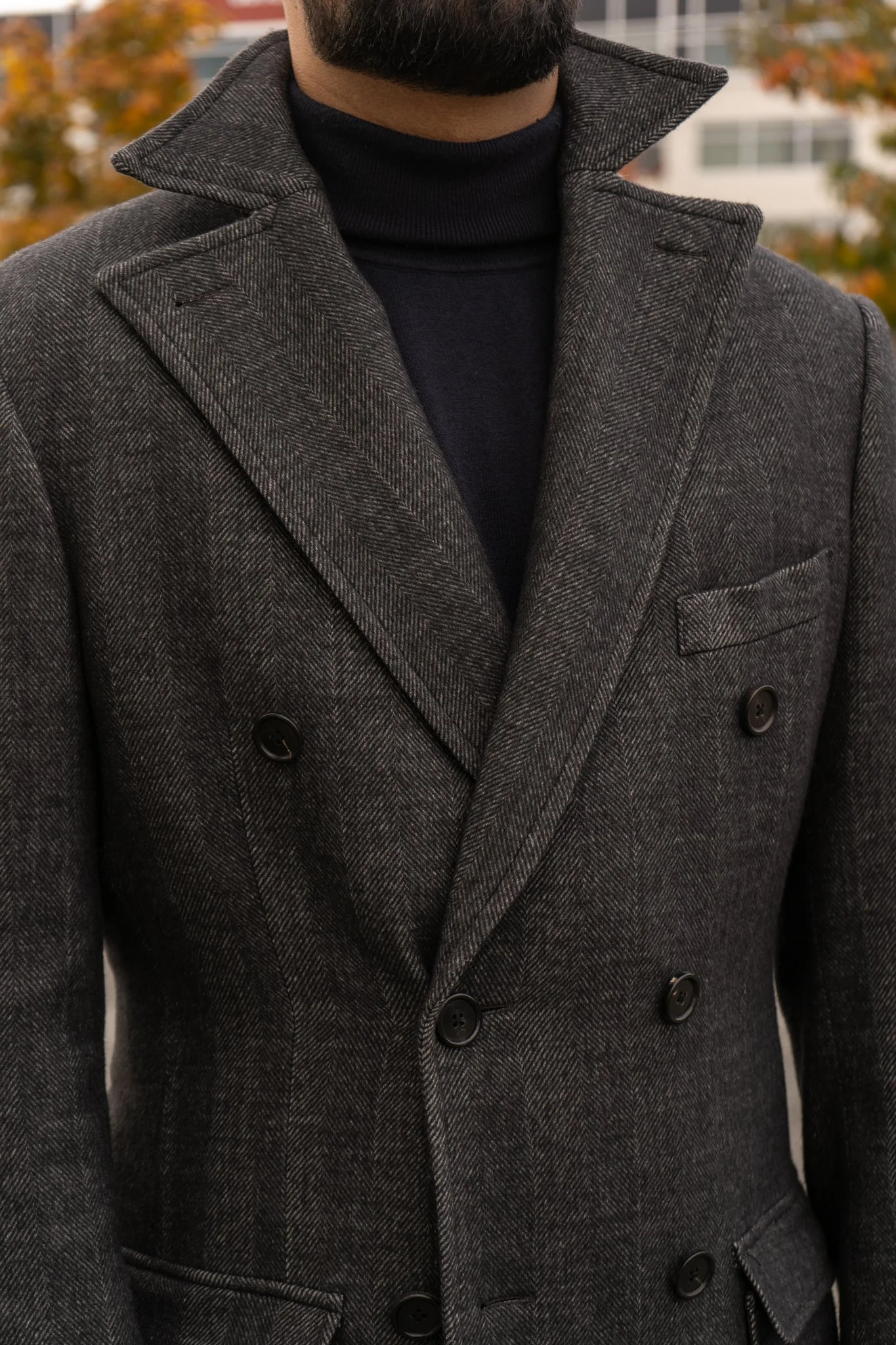
Length matters more than people think. Over a suit, the coat should end at the knee or just below, so it covers your jacket completely. Any shorter and the jacket hem peeks out underneath.
Then there's what you wear under it. A store-bought coat fits fine over a shirt, then feels tight across the back the first time you wear it over a jacket. So we ask whether it's going over a dress shirt, a sweater or a full suit, and cut it with just enough room for that.
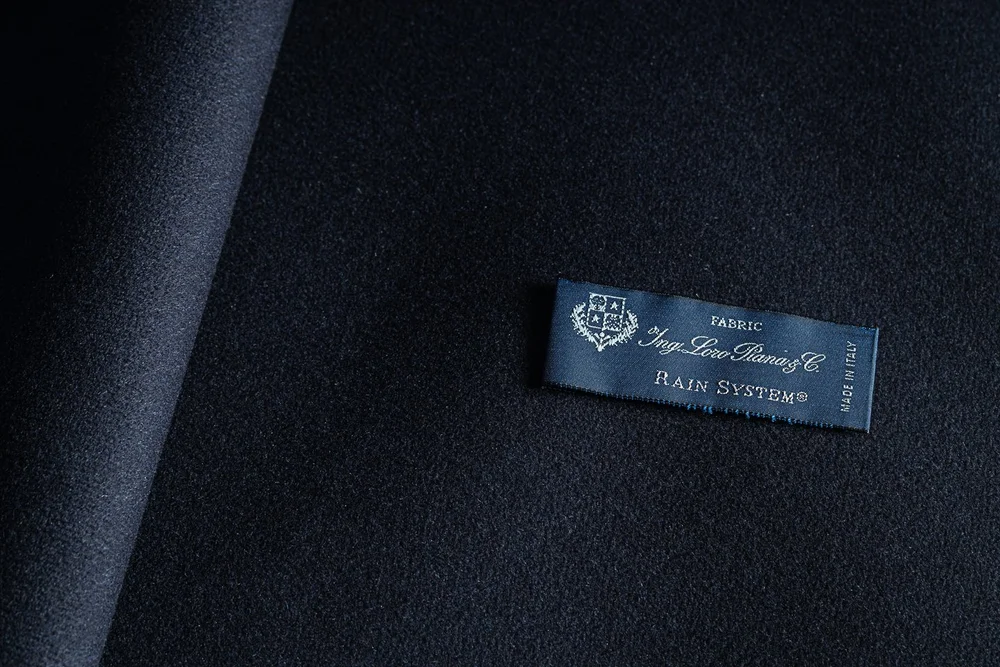
For the cloth, wool and cashmere is warm without being heavy, which is what you want here. It's rarely freezing cold in Vancouver, but it's always damp. If you spend a lot of time walking outside, Loro Piana's Rain System is worth a look. Water beads up and rolls off, and it still feels like regular wool. It's water-repellent, so keep an umbrella for the real downpours.
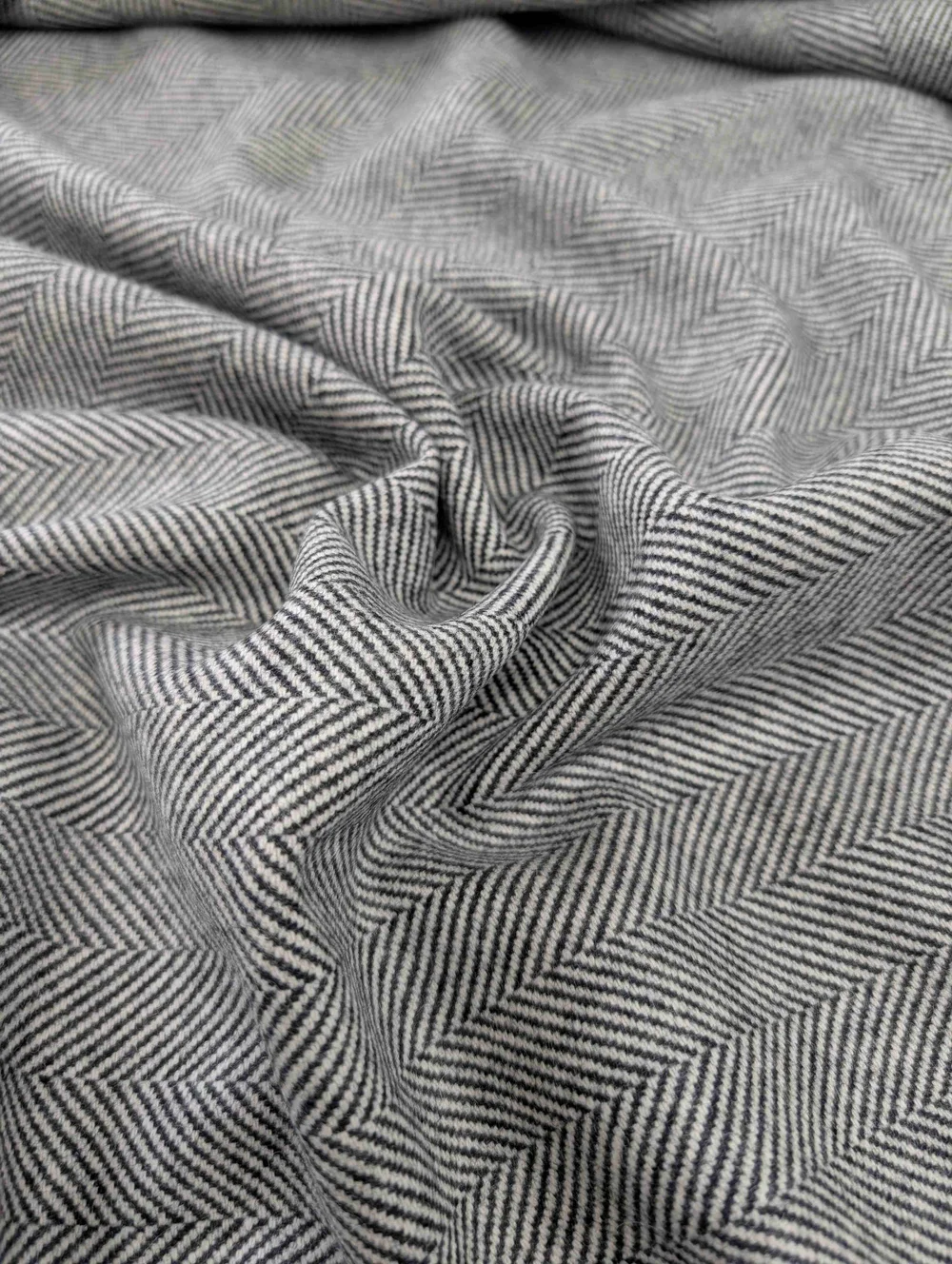
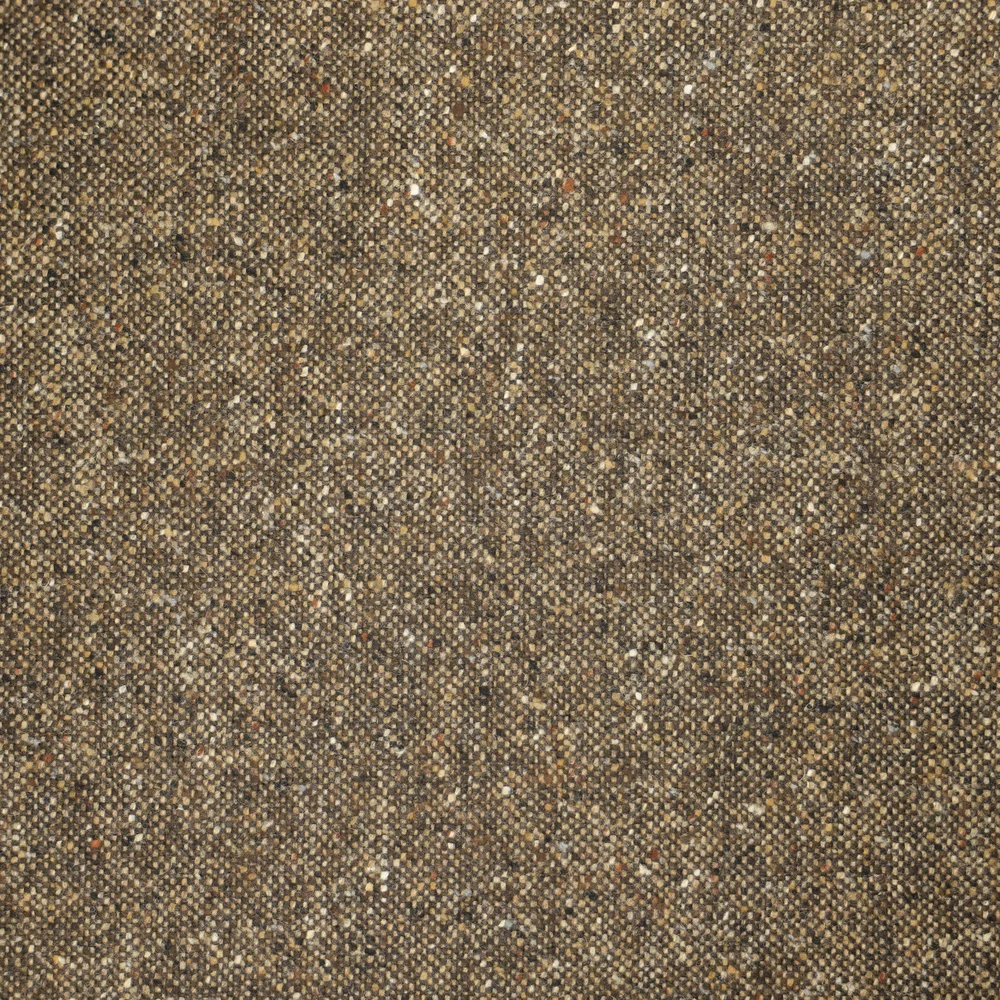
Most coats look fine in the store. The trouble starts when you put one on over a suit.
If you dress more casually
Most guys I know don't wear a suit to work anymore. For them, I'd go with a Balmacaan coat instead.
Its raglan sleeve runs in one piece up to the collar, with no seam on top of the shoulder, so a thick sweater fits underneath without the coat pulling. It looks right with jeans or chinos, and the collar turns up when it's windy. I'd cut it a touch above the knee, so it doesn't look too formal over jeans.
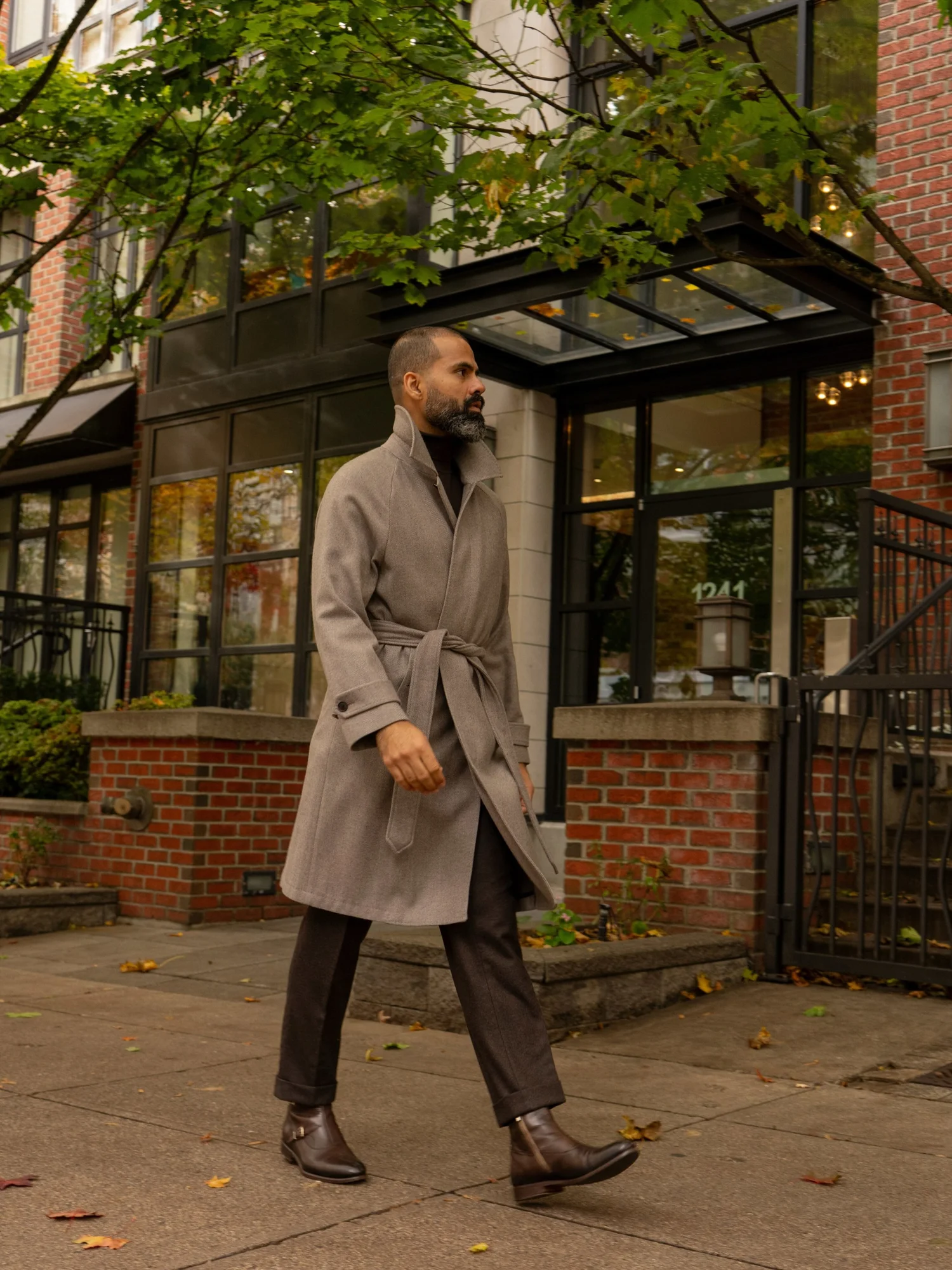
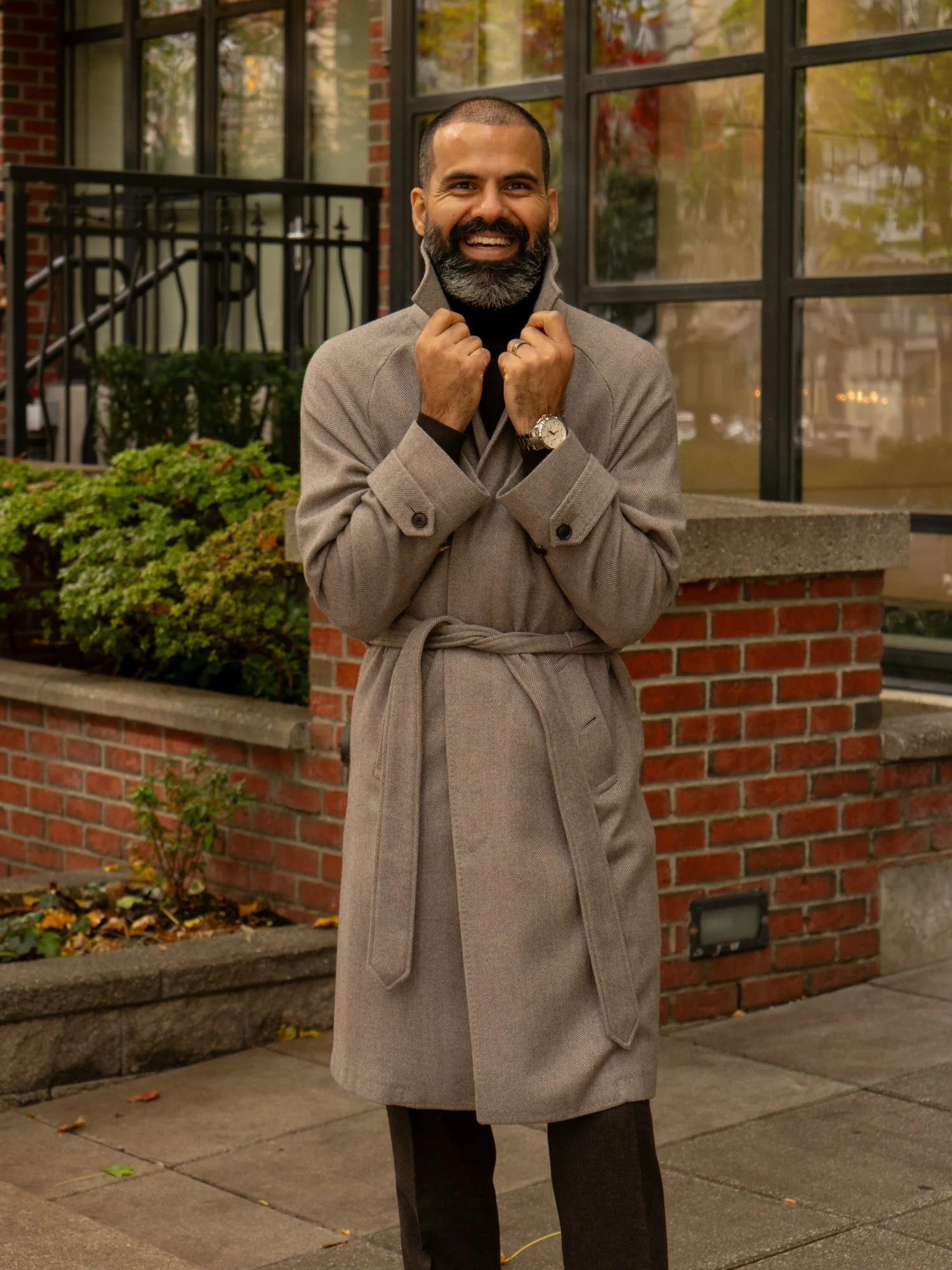
Sougata, one of our consultants, would make it in a heavy herringbone tweed, 500 grams or more. If you want it to handle rain too, Loro Piana's Dream Tweed has a water-repellent finish.
For evenings
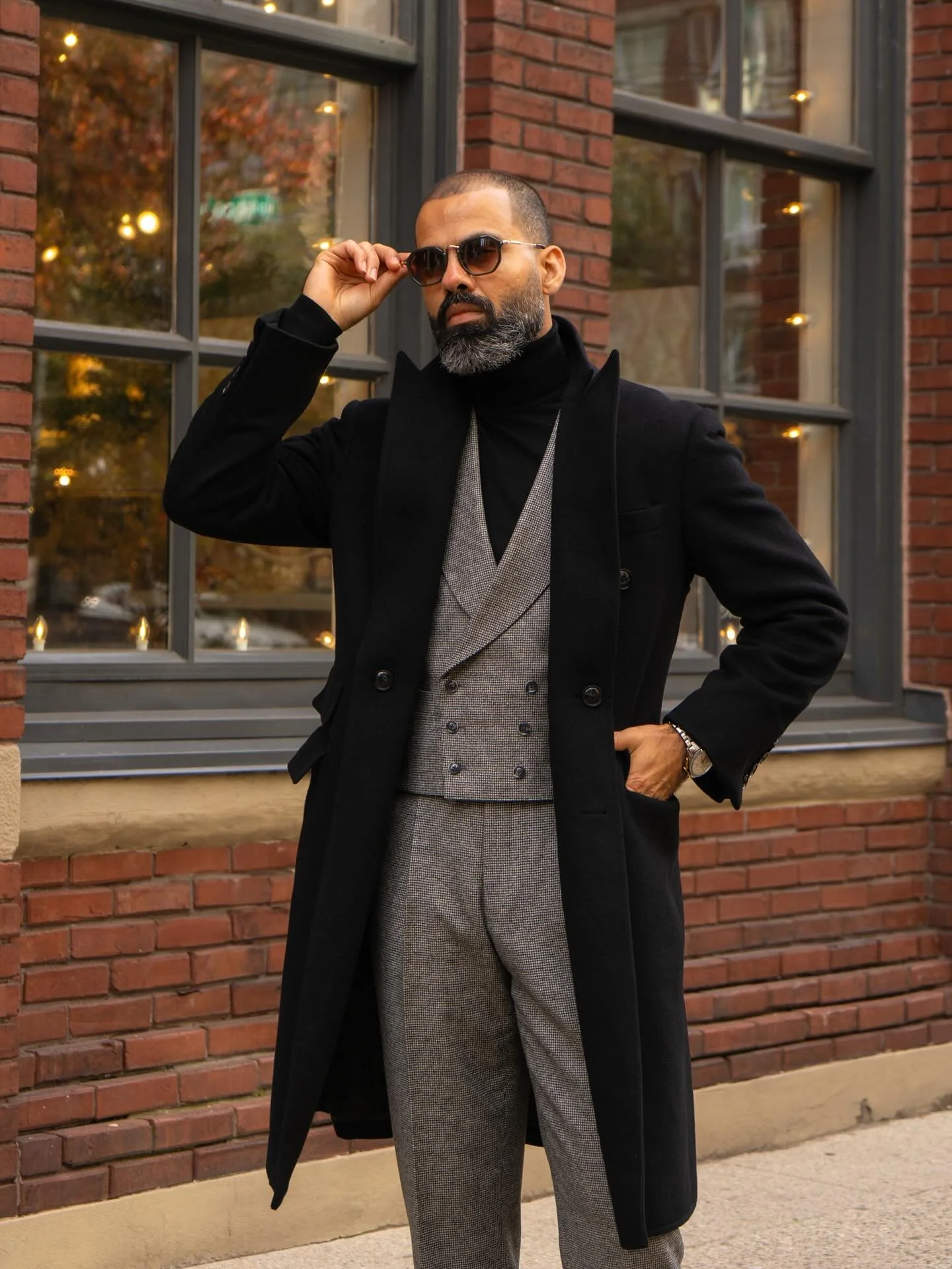
If December means weddings, parties and dinners for you, a black coat makes sense. Double-breasted, peak lapels, a little past the knee, in pure cashmere from Colombo. Add a velvet collar if you like. It's a small detail, but people notice it. Wear it buttoned over a tux or a dark suit.
One honest note on timing: a coat takes six to eight weeks to make, so one started this week is ready around Christmas at the earliest. For this year's December parties, that's cutting it close. For New Year's and the winter weddings after it, there's still time.
Check the coat you already have
Put it on over what you normally wear and look at yourself from the side.
The hem. The front should be level with the back, or a little lower. If the front rides up, it's too tight in the chest.
The back. Reach forward like you're holding a steering wheel. If it pulls hard across your back, there isn't enough room, and an alterations tailor can't add it.
The buttons. A double-breasted coat should look good buttoned. If yours only looks right open, it's probably too small.
The sleeve. It should cover your shirt or jacket cuff.
If it fails two of these, blame the coat.
The second coat
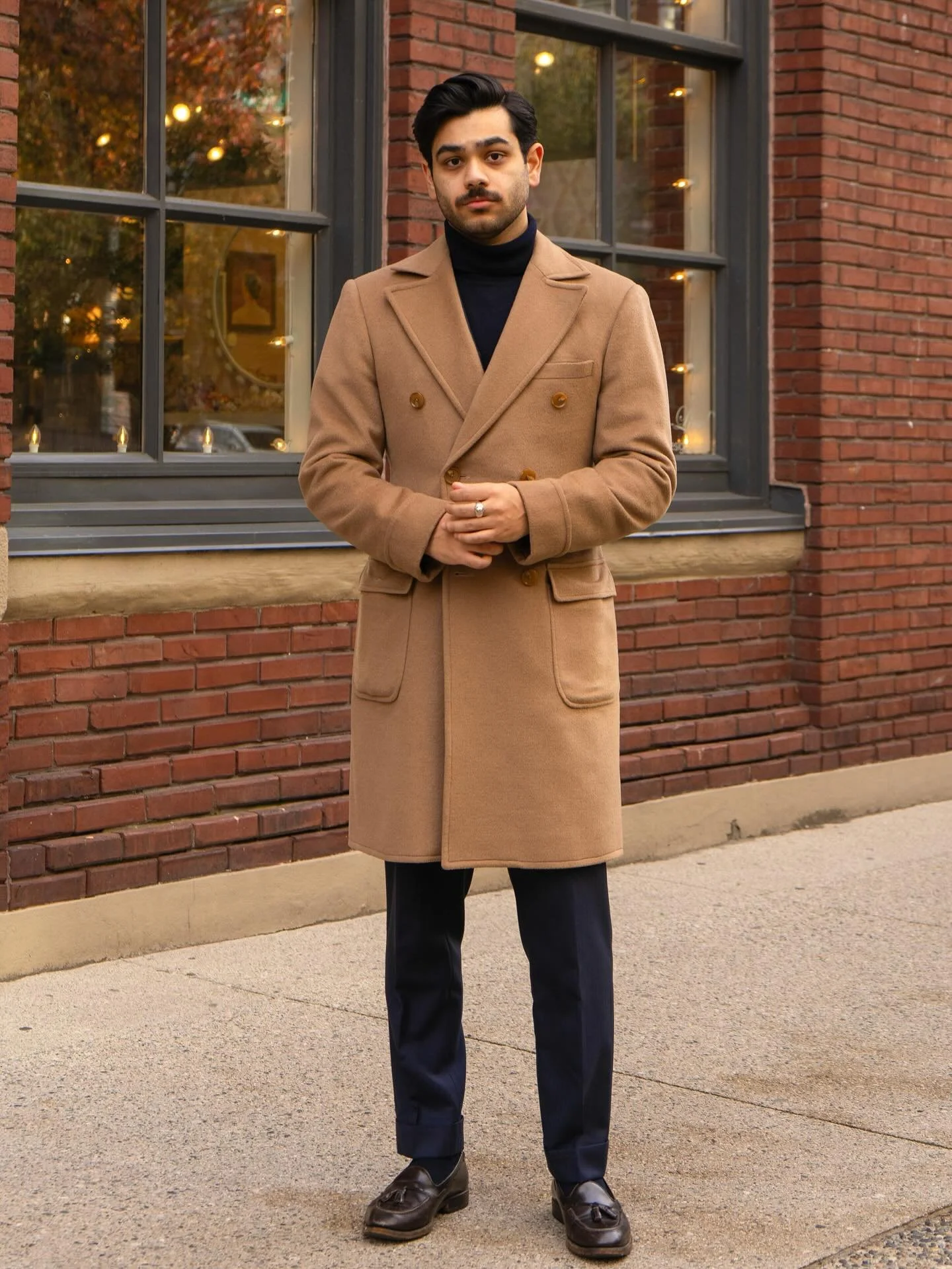
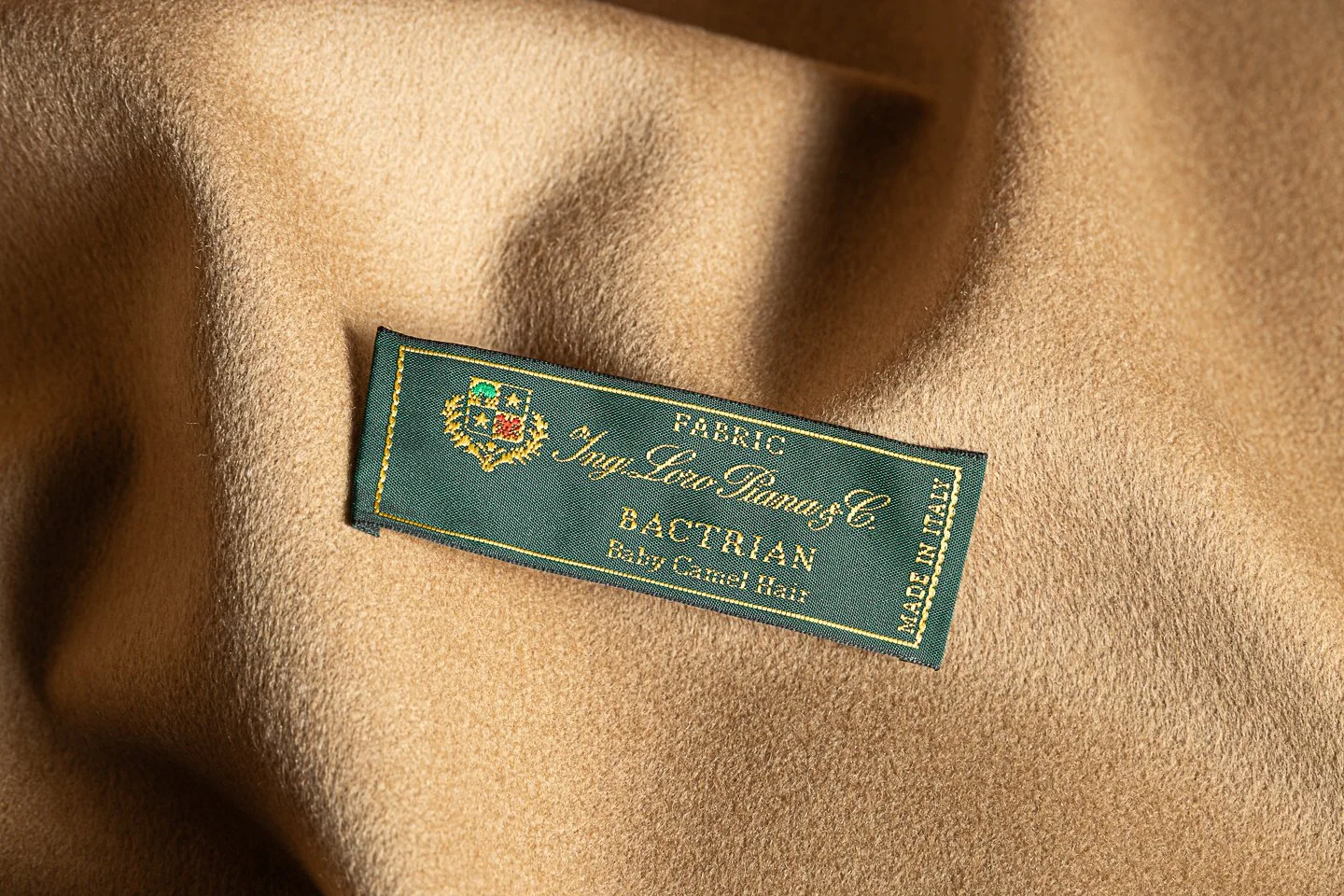
Once you have the grey one, the second coat can be more fun. For something dressier, I'd do camel, double-breasted and long. Camel over a navy or grey suit is hard to beat. If you want the real thing, Loro Piana weaves a cloth called Bactrian from baby camel hair.
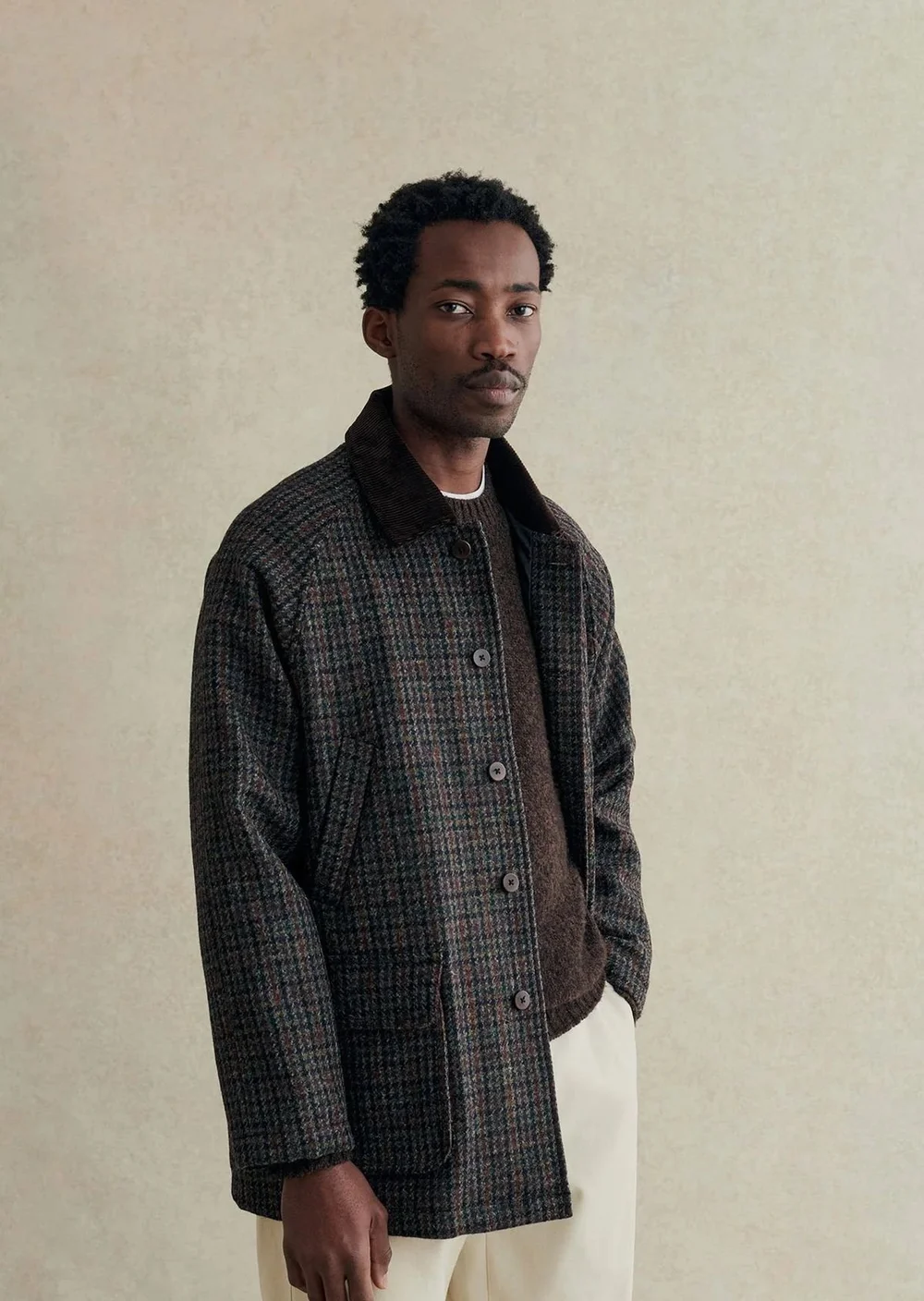
And if your weekends are spent up the Sea to Sky, a better barn jacket might earn its place before a second coat does. Big outside pockets, a corduroy collar, and a natural cloth that holds up to the weather.
Where to start
The new winter coating cloth just came in at both showrooms. At the first appointment you see the cloths in person, hold them up next to what you already wear, and feel the difference between a melton and a baby cashmere for yourself. Then we cut the coat around your wardrobe and the way you get around the city.
A coat takes six to eight weeks, so if you start now, you'll have it for the coldest part of winter.
Written byDanny Bassi, Founder and Creative Director. Modello Bespoke, Surrey and Vancouver, since 2013.
