
What's the Best Fabric for a Winter Suit?
Six cloths in our winter books, and what each one is for in a Vancouver winter.
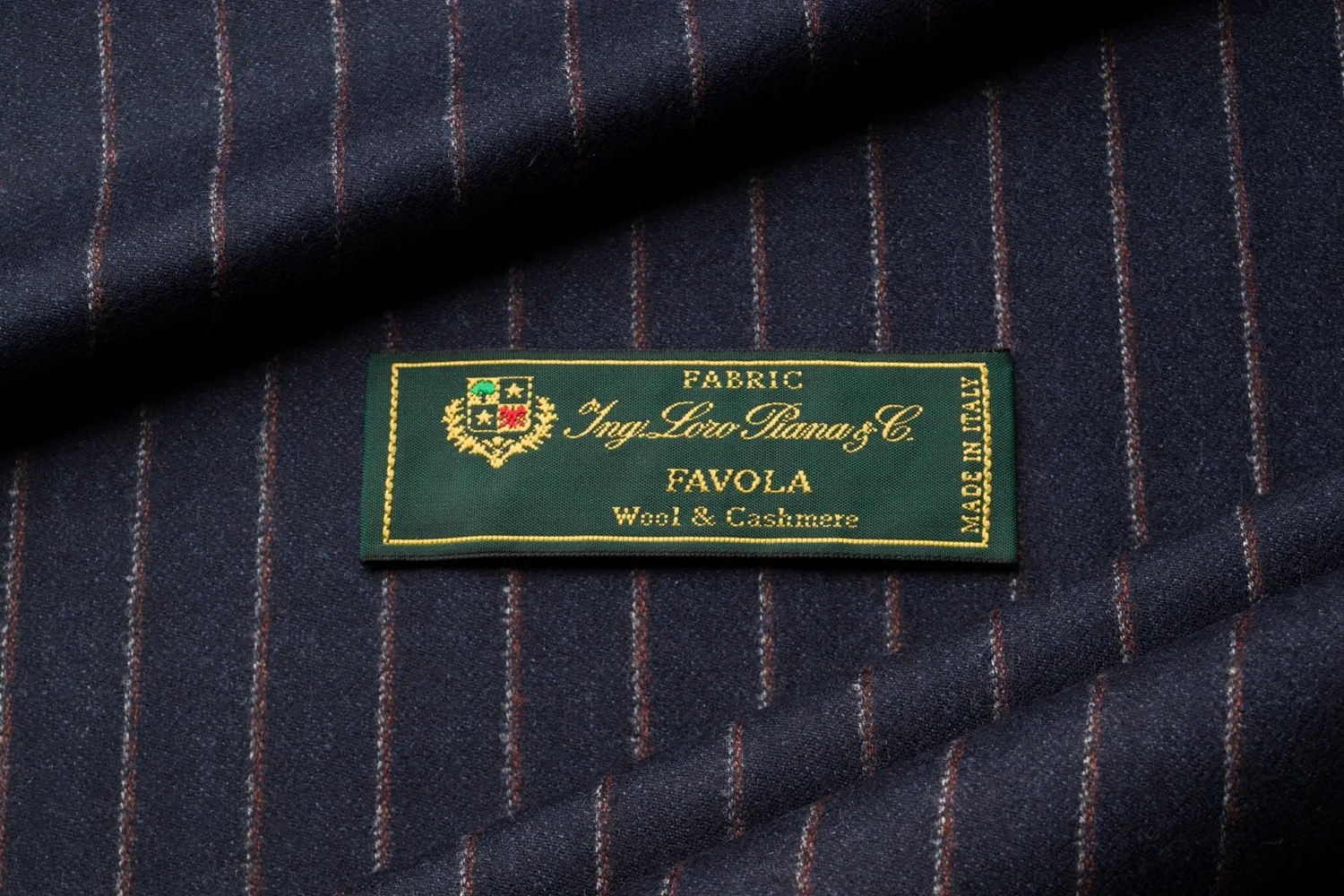
Winter here is more wet than cold, and that changes what your cloth needs to do.
It’s rarely properly cold in Vancouver, but it’s damp from November to March, and you spend the day going from rain on the street to a warm office or restaurant. The right winter cloth keeps you warm outside and still breathes once you’re in.
The winter books just came in at both showrooms. These are the six cloths we reach for this time of year, our favourite from each, and what we'd make from it.
Flannel
Flannel is the classic winter suit. The wool is woven, then brushed, which raises a soft, slightly fuzzy face that holds warmth. It drapes well and looks richer under grey skies than a smooth worsted does. English flannels are fuller and sturdier. Italian ones are lighter and smoother.
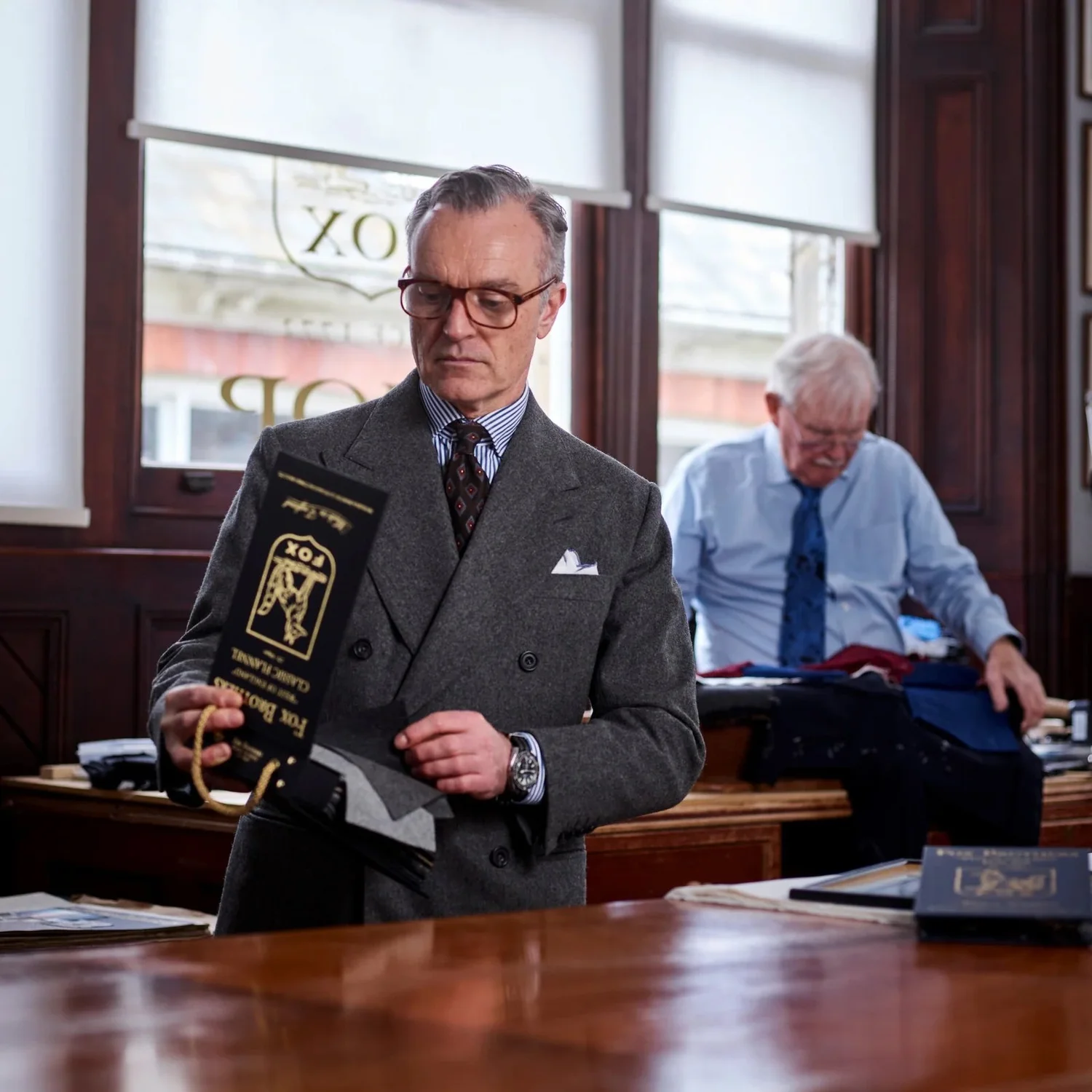
Our favourite is Fox Brothers Classic Flannel, woven in Somerset since 1772. At 400 grams it's soft in the hand and hard to wear out. For something finer, Zegna's Heritage Flannel is 350 grams with 5% cashmere in the wool.
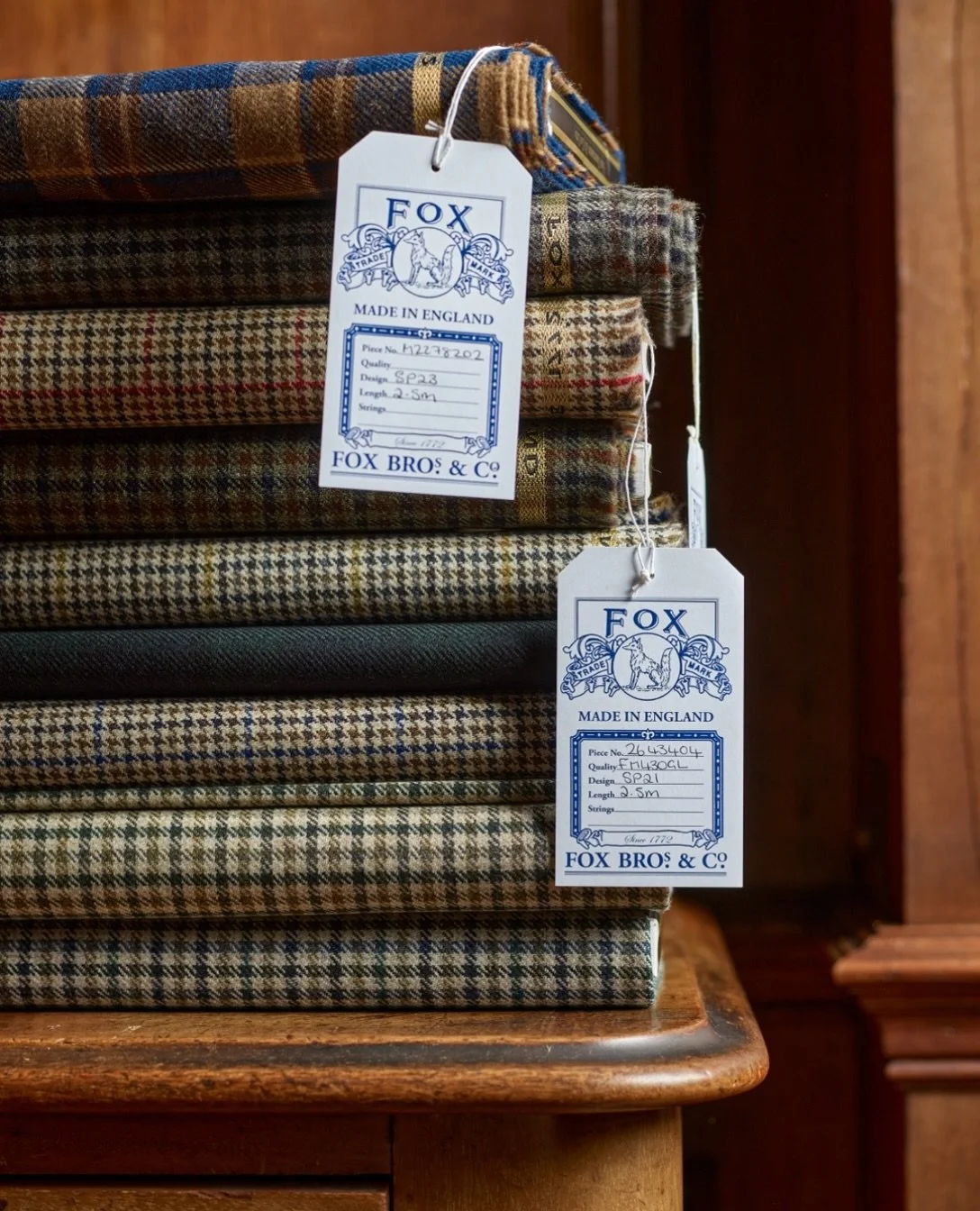

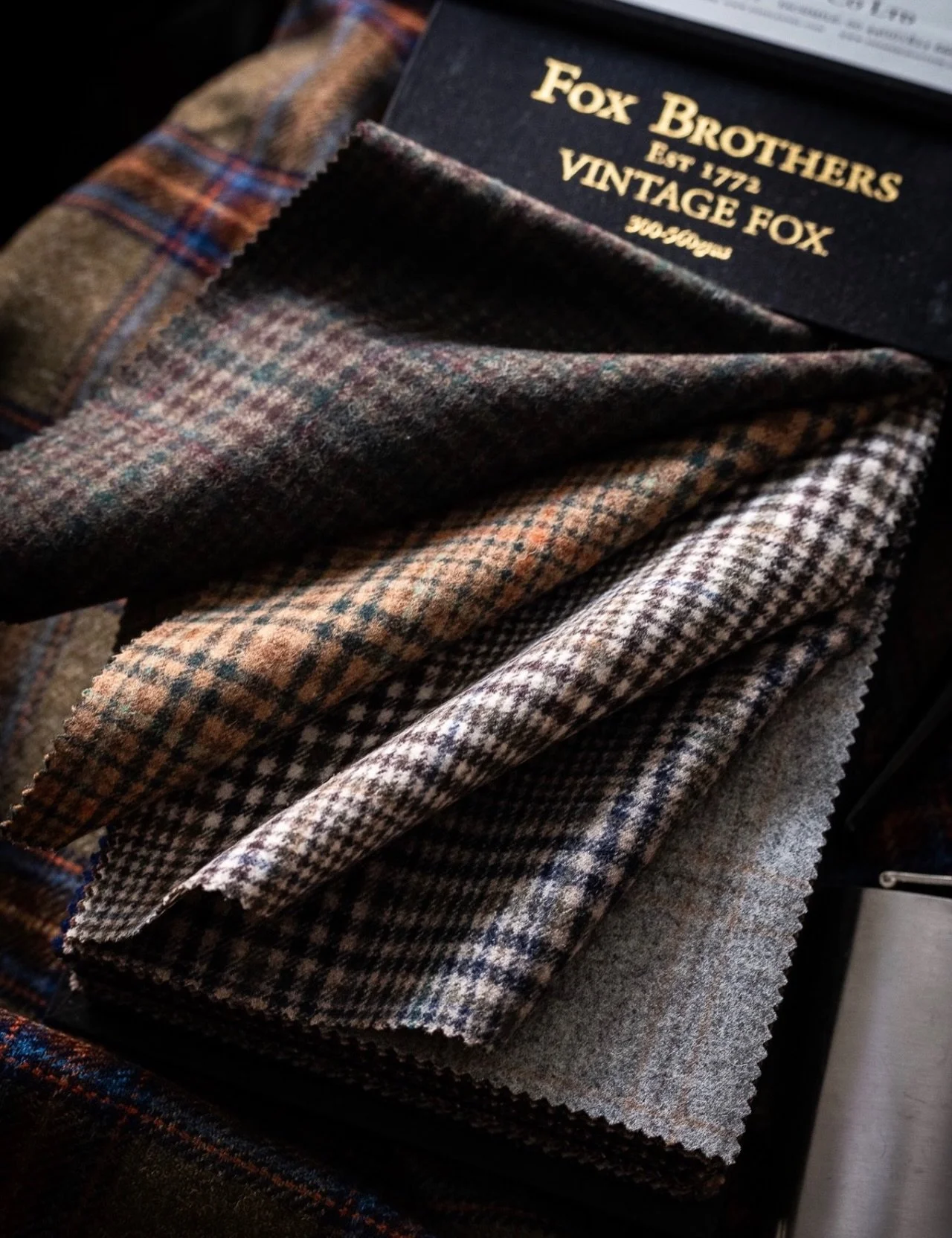
Make it: a mid-grey double-breasted suit. Wear the trousers on their own with a knit on weekends.
Cavalry twill and whipcord
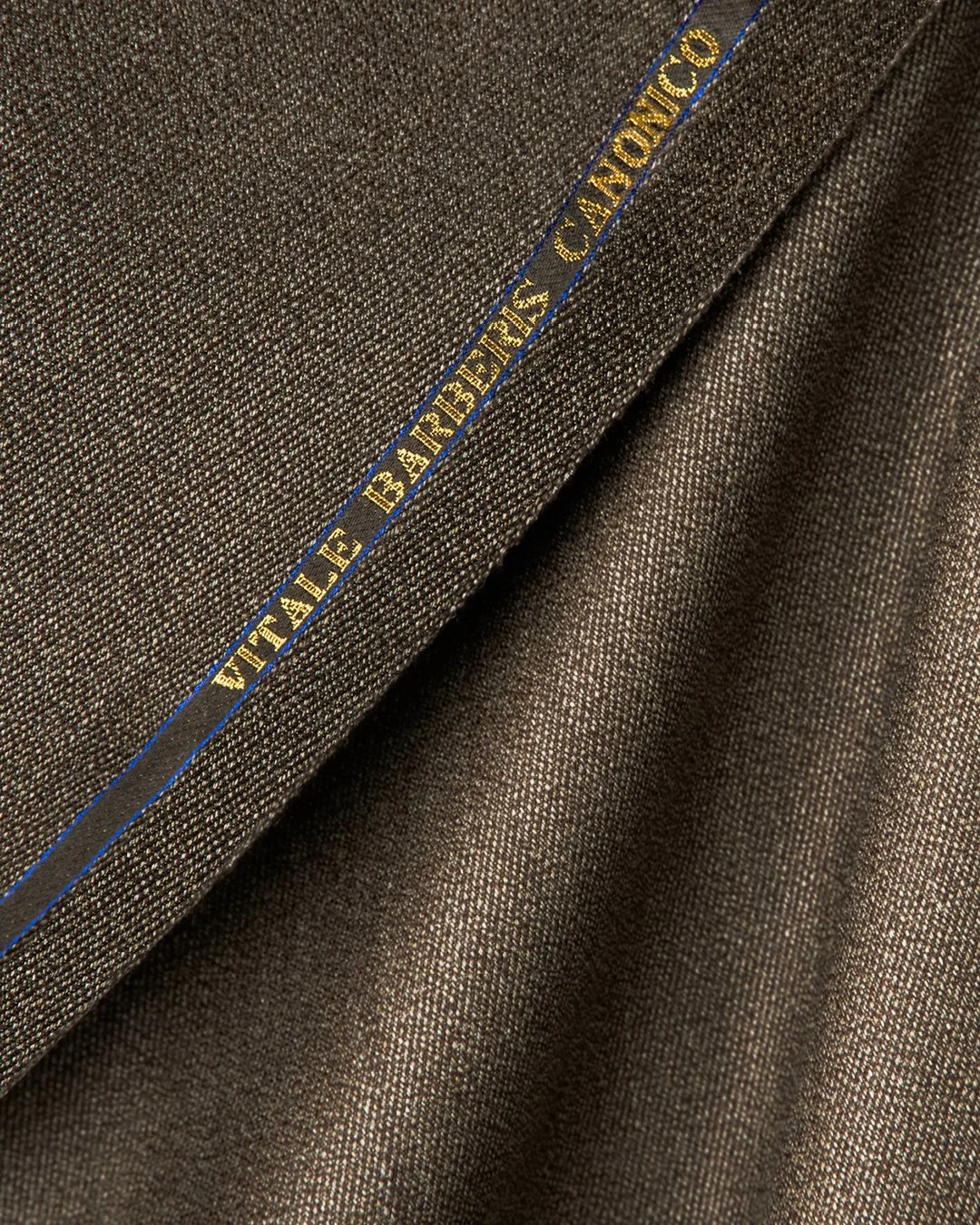
Tightly woven with a steep diagonal rib, these are among the hardest-wearing cloths in the book. Cavalry twill was first made for riding breeches, so it holds a crease and shrugs off wear. Ours come from Holland & Sherry in England and Vitale Barberis Canonico in Italy.
Make it: trousers first. A pair in brown or olive goes with every tweed and flannel jacket you own.
Tweed
Rugged and textured, and it only looks better with age. Our tweeds come from Abraham Moon in Yorkshire, Magee in Donegal and Harris Tweed, which by law is handwoven in the Outer Hebrides.
Most men wear tweed as a sport jacket, and it's great there. A three-piece tweed suit is the bolder move. Our favourite use is outerwear: a tweed overcoat, or a jacket like the one below.
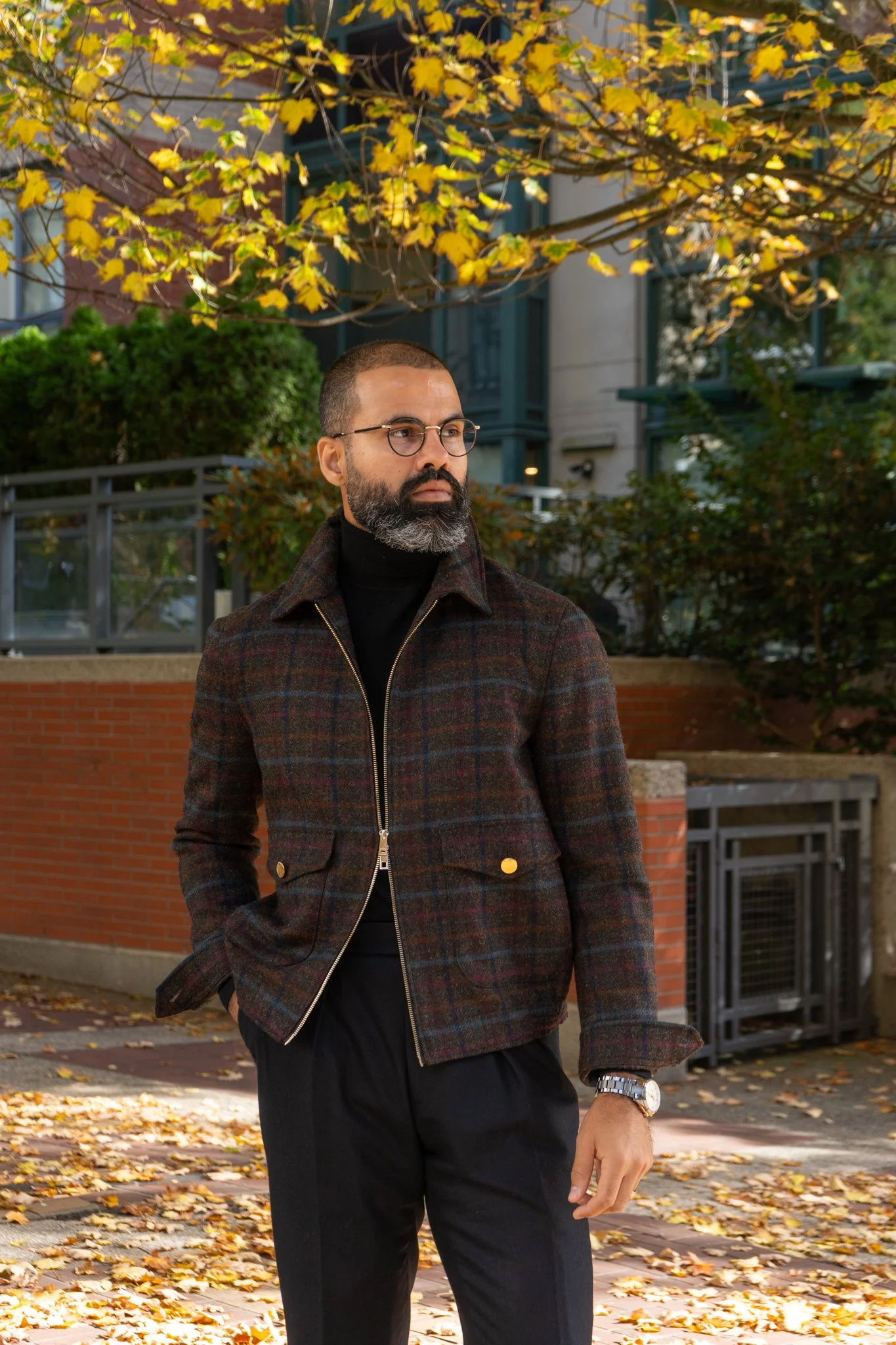
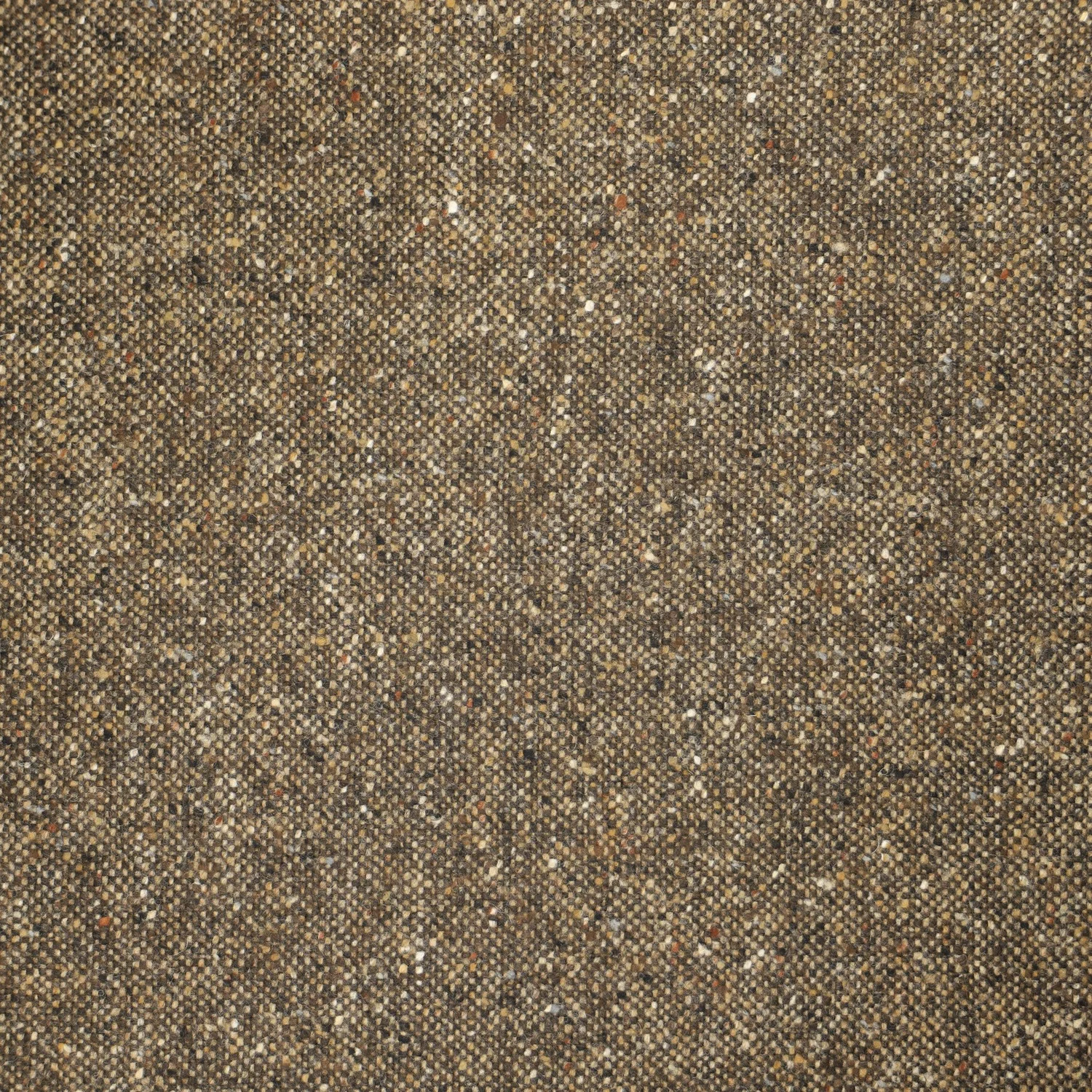
Make it: a sport jacket over grey flannel trousers.
Corduroy
A warm cotton cloth with raised ridges called wales. Wide wales look relaxed and a little vintage. Fine wales look smarter. We carry a range of widths and weights, including a stretch cord from Carnet in Italy that moves with you.
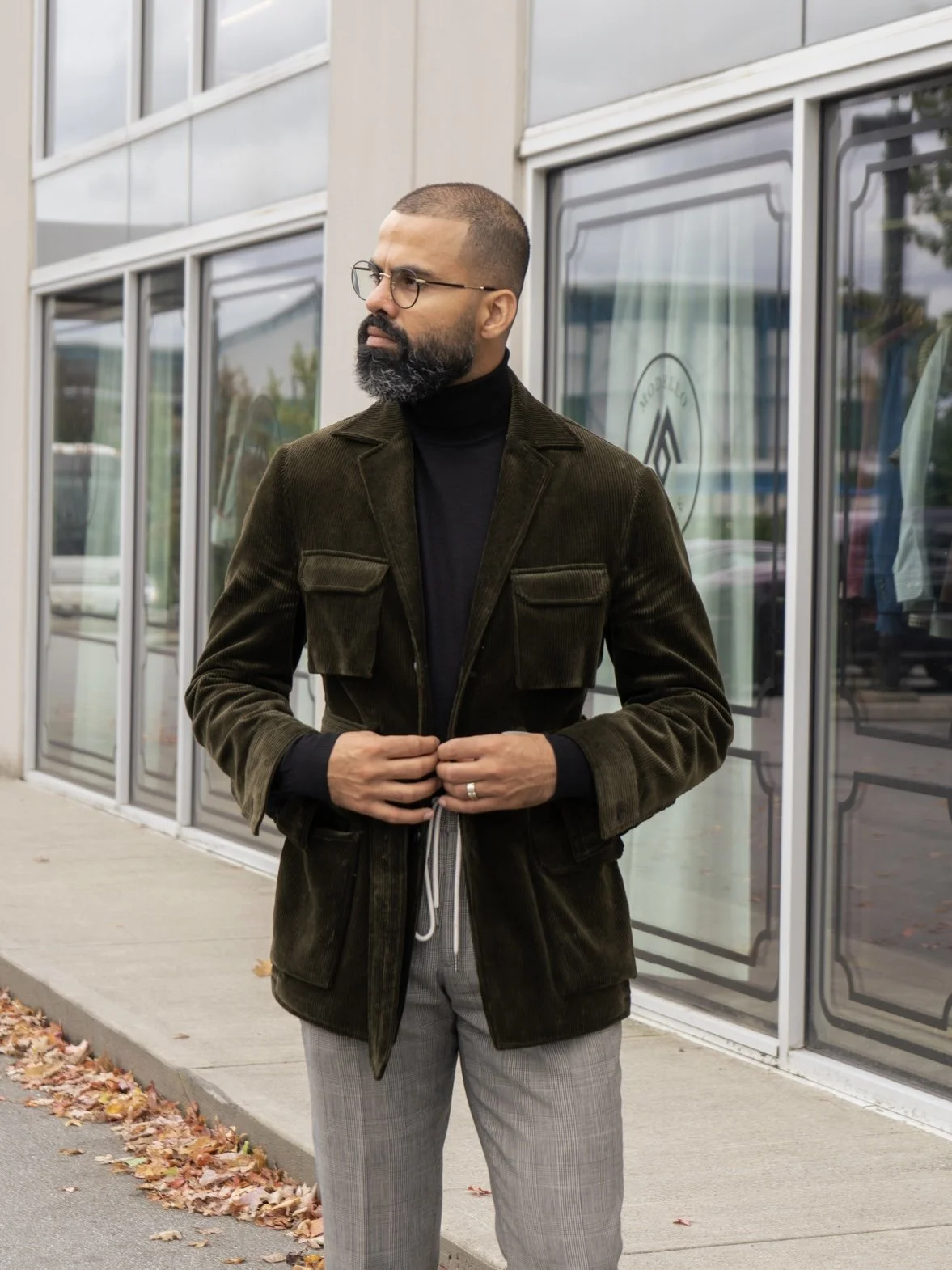
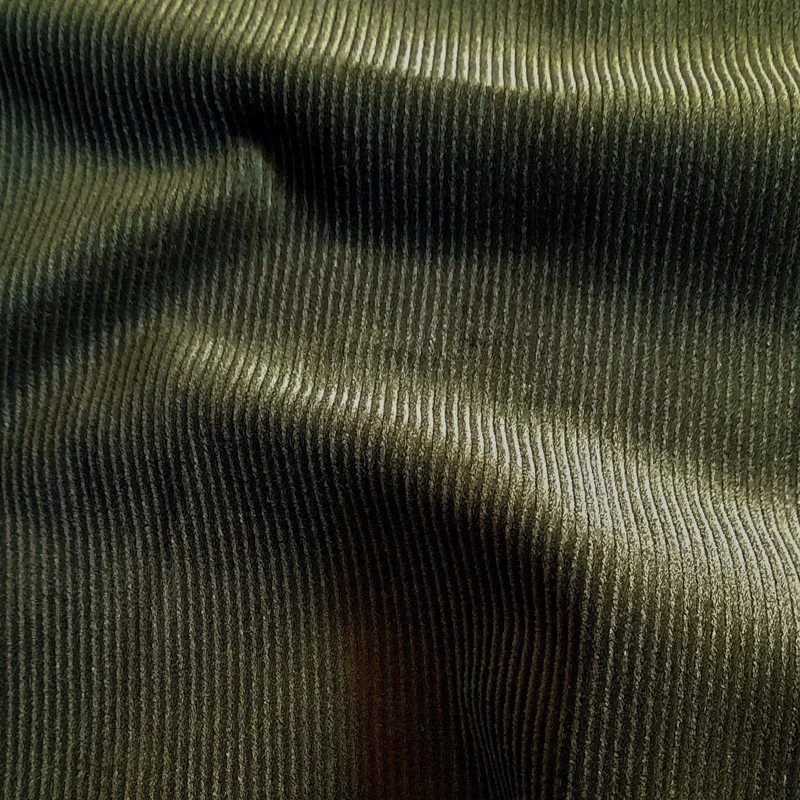
Make it: fine-wale trousers for weekends, or a safari jacket that does the job of a light coat.
Cashmere
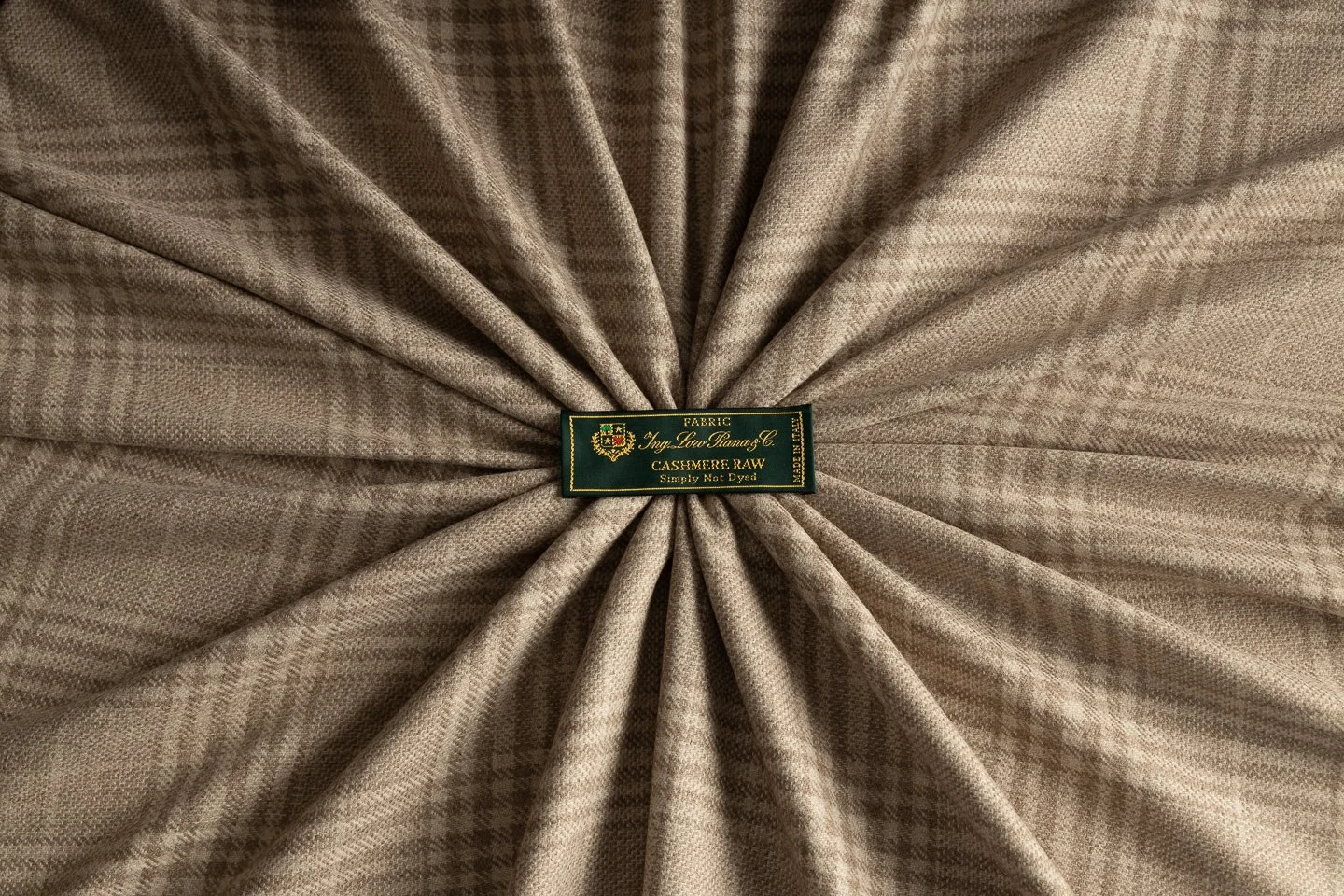
The softest cloth in the book, and light for how warm it is. Italian mills finish it to a fine, silky hand. A cashmere sport jacket feels like a cardigan and looks like tailoring. Loro Piana's Cashmere Raw is left undyed, so the soft beiges and browns are the fibre's own. In heavier weights it makes the most luxurious overcoat you can own, and we've written about which coat to make first.
And if cashmere isn't enough, there's vicuña. It's finer still, from a wild animal in the Andes that can only be sheared every few years. We keep a vicuña box at our Vancouver showroom in Yaletown, and a jacket from it starts at $35,000.
Make it: a navy or brown sport jacket for dinners out.
Camel hair
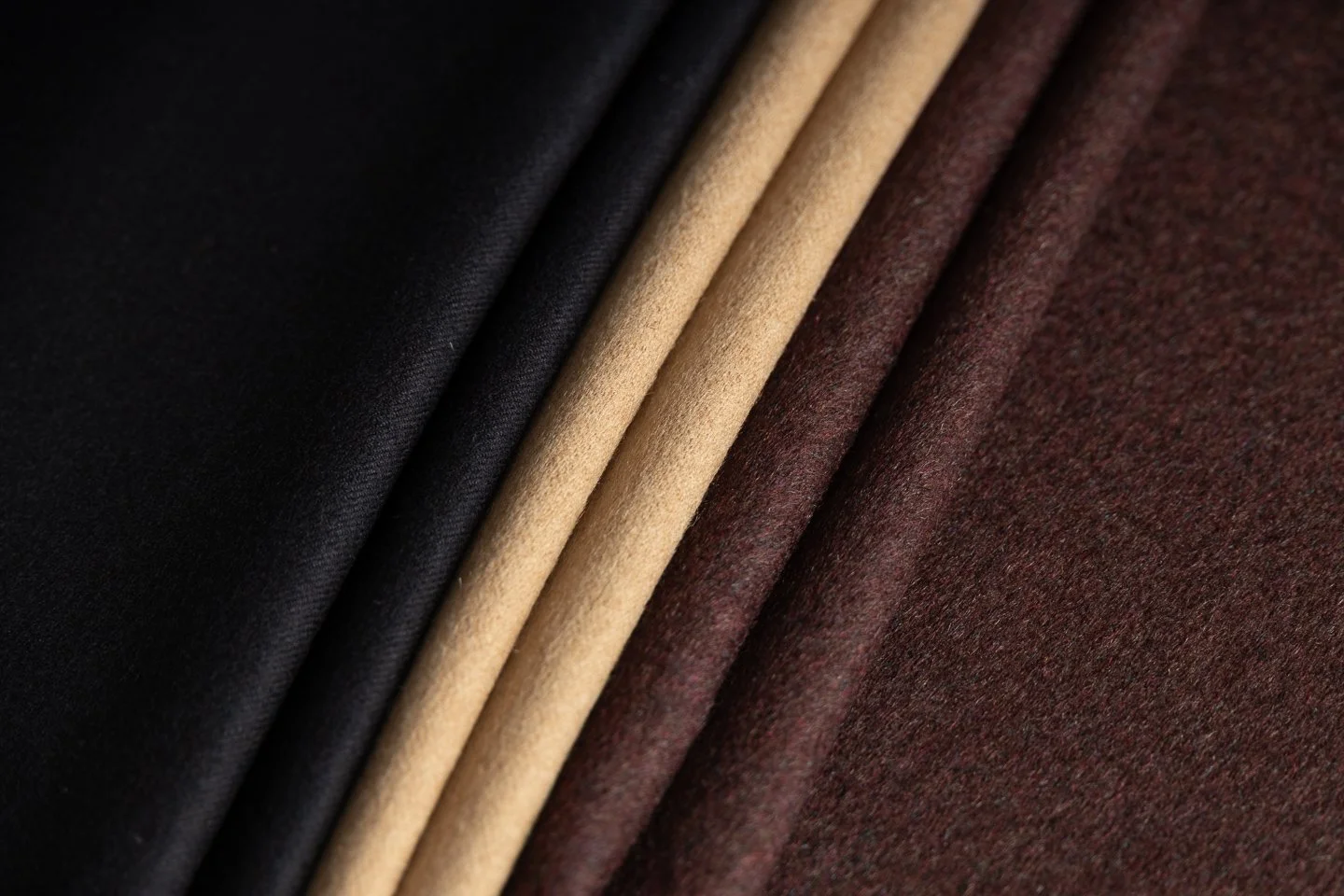
Warm and smooth, with a soft sheen and that golden-tan colour. Piacenza's Dunes collection is our classic pick, and it comes in three books: coats, jackets and, rarer still, suits. A camel hair suit is a rare thing to see. For a blazer, Loro Piana's Blazers book is hard to beat, and Dormeuil's Overcoat book has sleeker options in heavier weights.
Make it: a camel blazer with grey flannel trousers, or a long double-breasted coat over a navy suit.
Where to start
If you only make one thing this winter, make a grey flannel suit.
A grey flannel suit works at the office, at dinner and at a winter wedding, and the trousers alone carry you through the weekends.
A suit takes six to eight weeks. Come and feel the books in Surrey or Vancouver, and hold them up against what you already wear.
Written bySougata Mitra, Suiting Consultant. Modello Bespoke, Surrey and Vancouver.
